
Understanding the Role of Palliative Care in South Africa
The Importance of Palliative Care for South Africans
Understanding the role of palliative care in South Africa helps learners see how this type of care improves quality of life for people with serious illnesses. Palliative care focuses on easing pain, managing symptoms, and offering support to patients and their families. It is not about curing disease, but about making people as comfortable as possible.
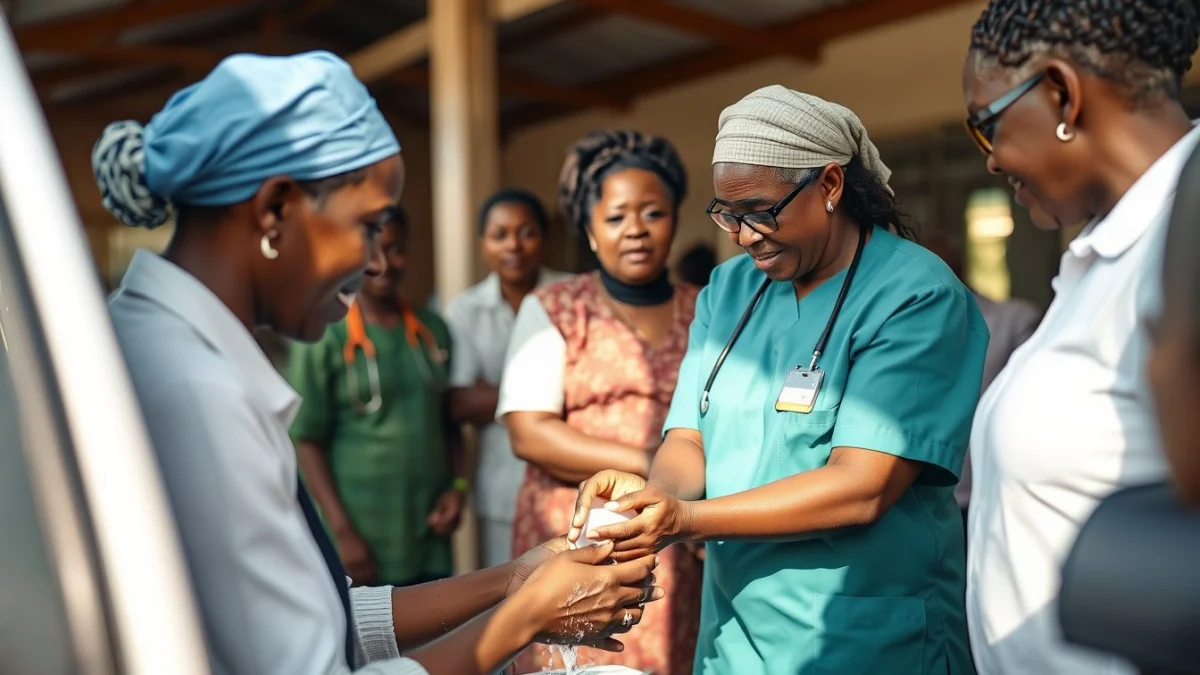
In South Africa, many people face serious health challenges like HIV/Aids, cancer, and tuberculosis. The healthcare system can be stretched, and access to treatment is not always easy. Palliative care fills important gaps by providing relief from suffering, especially in communities where hospital care may not always be available.
Palliative care supports patients through physical, emotional, social, and spiritual help. It looks at the whole person, not just the illness. This care is available to people of all ages, from children to elderly adults, and is provided at home, in hospitals, clinics, and hospices.
Key Goals of Palliative Care in South Africa
- Relieve pain and other distressing symptoms
- Provide emotional and psychological support
- Help patients and families make informed decisions
- Respect cultural beliefs and individual values
- Assist with social needs such as financial support
- Support families and caregivers through education and counselling
South Africa’s government recognises the important role of palliative care. Through policies and health programmes, palliative care is becoming more available in both urban and rural areas. Training for healthcare workers also improves the quality of care. However, challenges remain, such as shortages of trained staff and resources.
Palliative care teamwork is important. Nurses, doctors, social workers, counsellors, and community health workers work together to provide holistic care. Family members often play a key role in everyday care and support.
By understanding the role of palliative care in South Africa, learners appreciate the value of compassion and support for people living with life-limiting illnesses. It is a vital part of health care that helps reduce suffering and preserve dignity during difficult times.
Live Scenario • Active Situation
You are a community healthcare worker providing palliative care support in a rural South African clinic.
There is no single perfect answer. Choose what you would do in this situation.
