
Common Mental Health Conditions in South Africa
Common Mental Health Conditions in South Africa affect many people and need our attention. These conditions can influence how people think, feel, and behave. Understanding these helps learners support themselves and others in their communities.
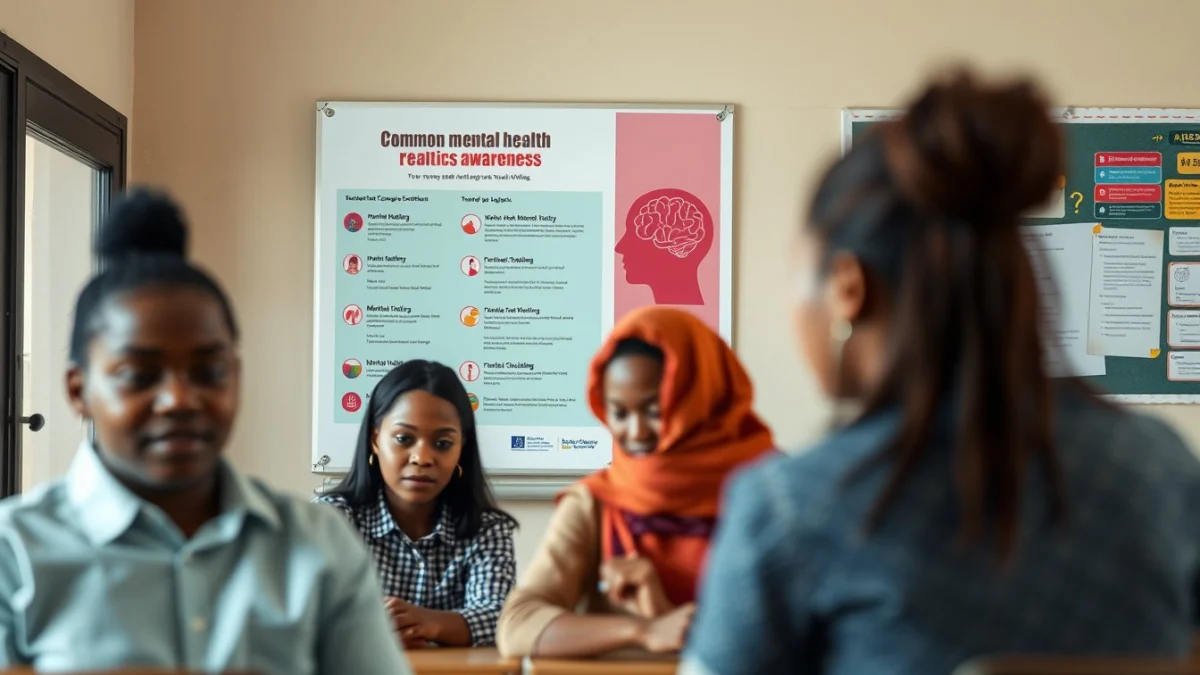
Understanding Mental Health Conditions in South Africa
Mental health problems are common worldwide, and South Africa is no different. Many people face challenges like stress, anxiety, and depression. These conditions can come from different causes, such as tough life situations, family problems, or even health issues.
It is important to know that mental health conditions are real health problems. They are not signs of weakness or something to be ashamed of. When people get the right help, they can feel better and live good lives.
Below are some of the common mental health conditions found in South Africa:
- Depression: Causes deep sadness, loss of interest in activities, and tiredness. People with depression may feel hopeless and have difficulty coping with daily life.
- Anxiety Disorders: These cause constant worry or fear. Panic attacks, phobias, and general anxiety are examples.
- Post-Traumatic Stress Disorder (PTSD): Often happens after a person experiences or witnesses a traumatic event, such as violence or accidents. Symptoms include flashbacks, nightmares, and feeling tense.
- Substance Use Disorders: Problems with alcohol or drugs that affect mental health and everyday functioning.
- Bipolar Disorder: Causes extreme mood swings from very high energy and happiness to deep sadness.
- Schizophrenia and Other Psychotic Disorders: Affect a person’s reality, causing hallucinations or false beliefs.
Many factors contribute to these conditions in South Africa. High rates of violence and trauma, poverty, and social inequality all play a role. Access to mental health services can be limited, especially in rural areas.
Recognising the signs early is important. If you or someone you know shows changes in mood, behaviour or thinking, it is good to seek help. Talking to a trusted adult, community worker or health professional can make a big difference.
Mental health support can include counselling, medication, and community programmes. Support groups help people share experiences and learn coping skills. Schools and workplaces can also create safe spaces to promote mental wellness.
Remember, everyone’s mental health matters. Taking care of your mind is just as important as looking after your body.
Live Scenario • Active Situation
You are a supervisor at a local South African community centre where many people come for support with stress, anxiety, and depression.
There is no single perfect answer. Choose what you would do in this situation.
