
Handling Cooking Equipment Safely
How to Use Kitchen Tools Without Injuries
Handling cooking equipment safely is very important in every kitchen. Whether you are using knives, pots, stoves, or electrical appliances, knowing how to manage them properly helps avoid accidents and injuries. This guide will teach you easy and practical tips to stay safe when working with cooking tools.
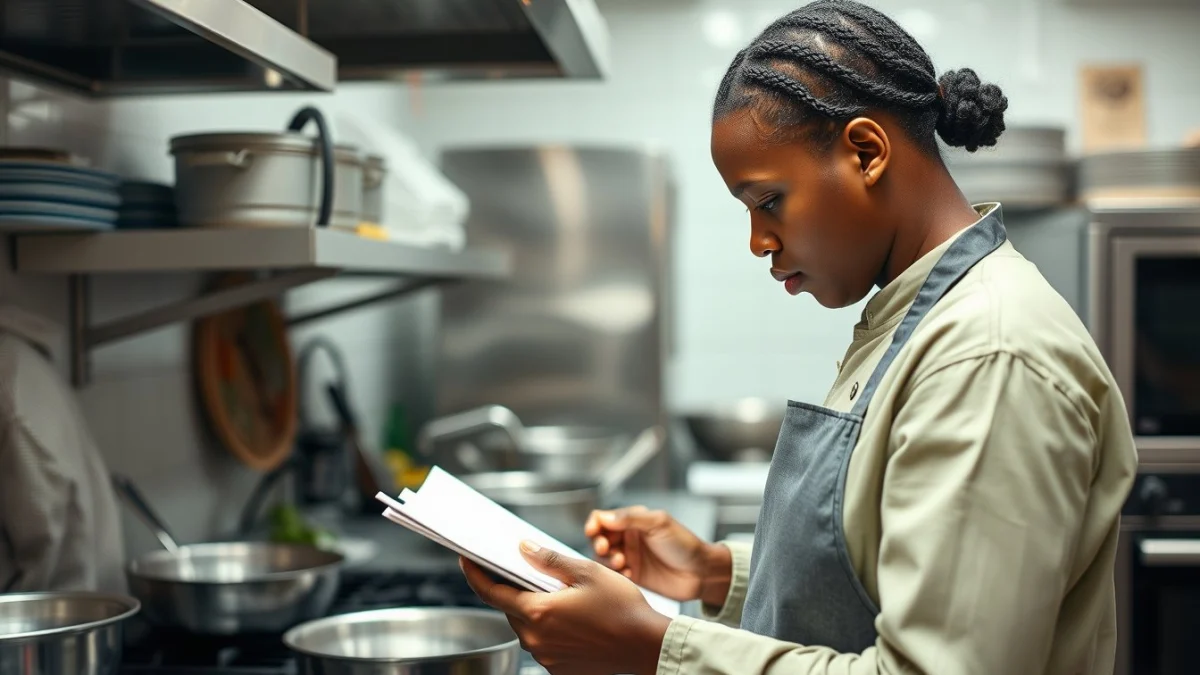
Basic Safety Rules for Kitchen Equipment
- Keep equipment clean: Always wash and dry tools before and after use to stop germs from spreading.
- Check for damage: Look for cracks, loose parts, or faulty wires before using any equipment. Don’t use broken tools.
- Use the right tool: For example, use a sharp knife for cutting vegetables, not a spoon or hands.
- Follow instructions: Read and understand manuals or labels, especially for electrical gadgets.
- Work on a stable surface: Use chopping boards and keep pots on flat surfaces to avoid spills.
- Wear protective gear: Use oven mitts when handling hot pans or trays to prevent burns.
Handling Sharp Tools
Sharp knives and slicers need special care. Always cut away from your body and keep your fingers clear of the blade. Store knives with covers or in a knife block. Never leave sharp knives loose in a drawer.
Using Electrical Appliances Safely
When using appliances like blenders or mixers, keep your hands dry and avoid overfilling. Make sure plugs and sockets are dry and not damaged. Switch off and unplug appliances when not in use.
Hot Surfaces and Open Flames
Be cautious around stoves, ovens, and grills. Use tools like tongs to move hot food. Keep pot handles turned away from the stove edge to stop accidental knocking. Never leave cooking food unattended.
Cleaning and Storage
Cleaning after use helps keep equipment in good shape and safe to use again. Store equipment properly so that it does not fall or cause injury. Keep heavy items on lower shelves.
By following these simple steps for handling cooking equipment safely, you protect yourself and others in the kitchen. Good habits make cooking more enjoyable and prevent accidents.
Live Scenario • Active Situation
You are a kitchen assistant responsible for preparing vegetables safely in a busy restaurant kitchen.
There is no single perfect answer. Choose what you would do in this situation.
