
Safe Handling and Storage of Food
How to Keep Food Safe in the Kitchen
Safe handling and storage of food is very important to prevent food poisoning and keep everyone healthy. When food is not handled or stored properly, harmful bacteria can grow and cause sickness. This guide will help you understand the best ways to handle and store food safely in the kitchen.
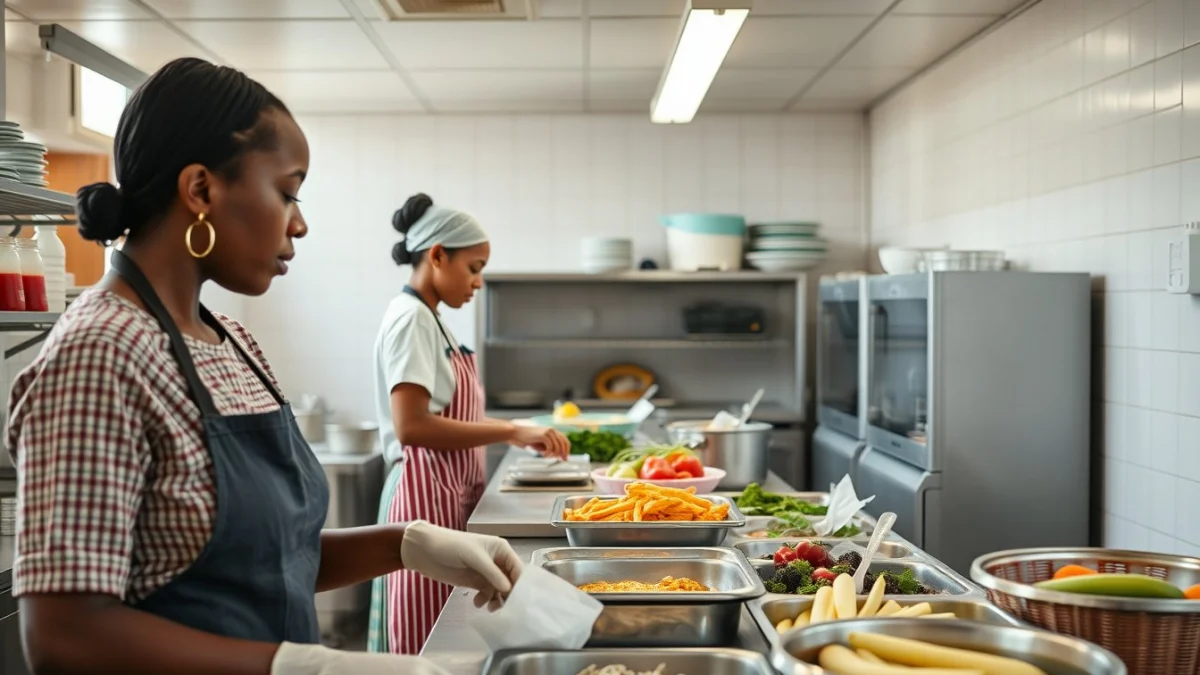
When you handle food, always start by washing your hands well with soap and water. Clean hands stop germs from spreading to food. Also make sure all kitchen tools and surfaces are clean before you start cooking.
Important Rules for Safe Food Handling
- Keep raw and cooked food separate. Use different chopping boards and knives for each to avoid cross-contamination.
- Cook food to the right temperature to kill harmful bacteria. Use a food thermometer if you can.
- Do not leave cooked food out at room temperature for more than two hours.
- Cool cooked food quickly before storing it in the fridge.
- Always wash fruits and vegetables before eating or cooking.
Safe storage of food keeps it fresh and prevents germs from growing. Store perishable goods like meat, dairy, and cooked food in the fridge at 5°C or colder. Frozen food should be kept at -18°C.
Keep food covered or wrapped to stop it from drying out or absorbing smells. Use air-tight containers or plastic wrap. Label food with the date you stored it to keep track of freshness.
Do not overcrowd the fridge because air needs to circulate to keep food cool. Separate raw meat on the bottom shelves to stop juices from dripping onto other foods.
Check expiry dates before using food and throw away anything that looks, smells, or tastes off. When in doubt, it is safer to discard questionable food.
By following these steps for safe handling and storage of food, you reduce the risk of foodborne illness. This keeps your kitchen safe and everyone eating the food healthy.
Live Scenario • Active Situation
You are a kitchen assistant in a busy restaurant kitchen.
There is no single perfect answer. Choose what you would do in this situation.
