
Measuring and Portion Control
Understanding the Importance of Measuring and Portion Control in the Kitchen
Measuring and portion control are essential skills for anyone working in a kitchen. These techniques help you prepare food correctly and ensure consistency in meals. Accurate measuring means using the right amounts of ingredients, which affects the taste, texture, and appearance of dishes. Portion control refers to serving the right size of food to manage costs and meet customer expectations.
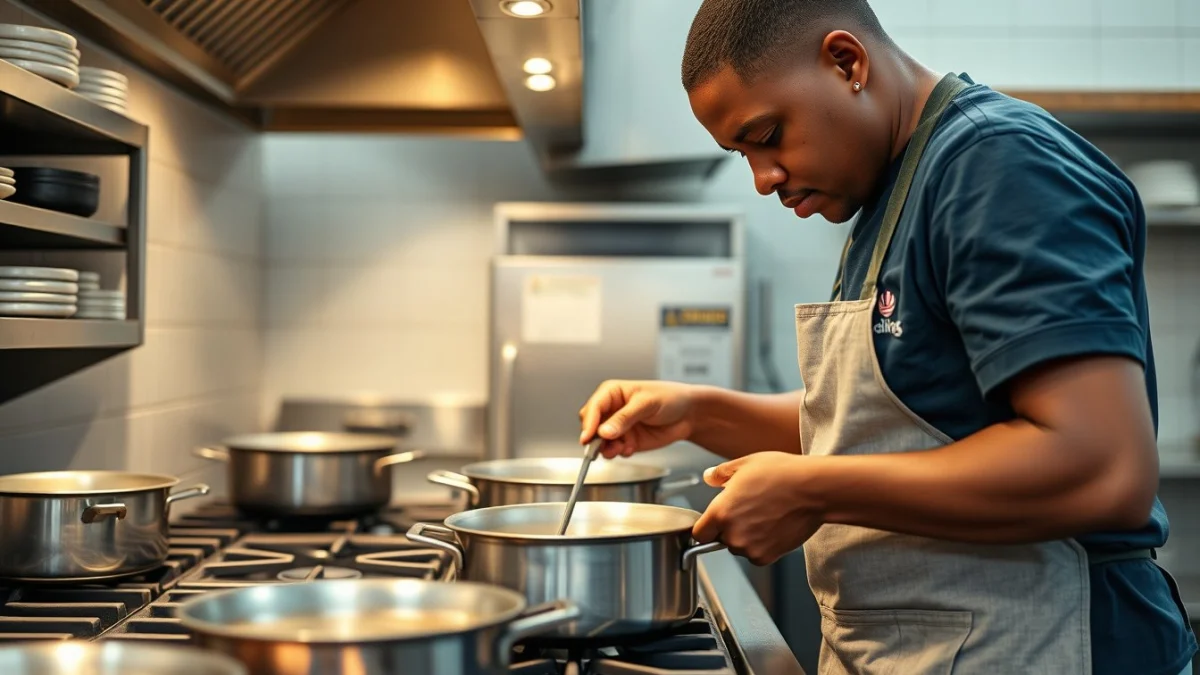
When you measure ingredients properly, you avoid waste. Too much or too little of an ingredient can change the result of a recipe. For example, adding too much salt can make a dish taste unpleasant. Using the correct portions keeps food fresh and helps kitchens save money by preventing overuse of ingredients.
Tools Used for Measuring
- Measuring cups – for dry and liquid ingredients
- Measuring spoons – for small quantities like spices or baking powder
- Kitchen scales – for weighing solid ingredients
- Thermometers – for checking cooking temperatures
Using these tools correctly is important. For dry ingredients, scoop and level off the cup or spoon. For liquids, check the measurement at eye level to avoid errors. When weighing on a scale, zero the scale first to measure just the ingredient.
How Portion Control Benefits the Kitchen
Portion control helps kitchens serve equal amounts of food every time. This is important in restaurants and catering because customers expect value and consistency. Controlling portions assists with inventory management and reduces food waste.
In practice, kitchen assistants use portion control tools like scoops, ladles, or serving spoons. These tools help give the same amount for each plate or container. For example, a scoop might be used to portion out rice, while a ladle measures soup servings.
Tips for Good Portion Control
- Follow recipe guidelines closely for portion sizes.
- Use portioning tools instead of guessing by eye.
- Communicate portion sizes clearly to the serving team.
- Store portions of ingredients or meals in labelled containers.
- Regularly check and adjust portions to reduce leftovers and waste.
Measuring and portion control work together to make food preparation smooth, efficient, and consistent. Training in these skills helps kitchen assistants become reliable and professional in their roles. By practising them daily, you help maintain the quality and reputation of the kitchen where you work.
Live Scenario • Active Situation
You are a kitchen assistant preparing ingredients for the lunch service in a busy restaurant kitchen.
There is no single perfect answer. Choose what you would do in this situation.
