
Effective Verbal Communication
How to Communicate Clearly and Confidently Using Words
Effective verbal communication is an important skill for educational support workers. It means using your voice and words in a way that helps you share information clearly and understand others well. When you communicate effectively, you can build trust and support learners better.
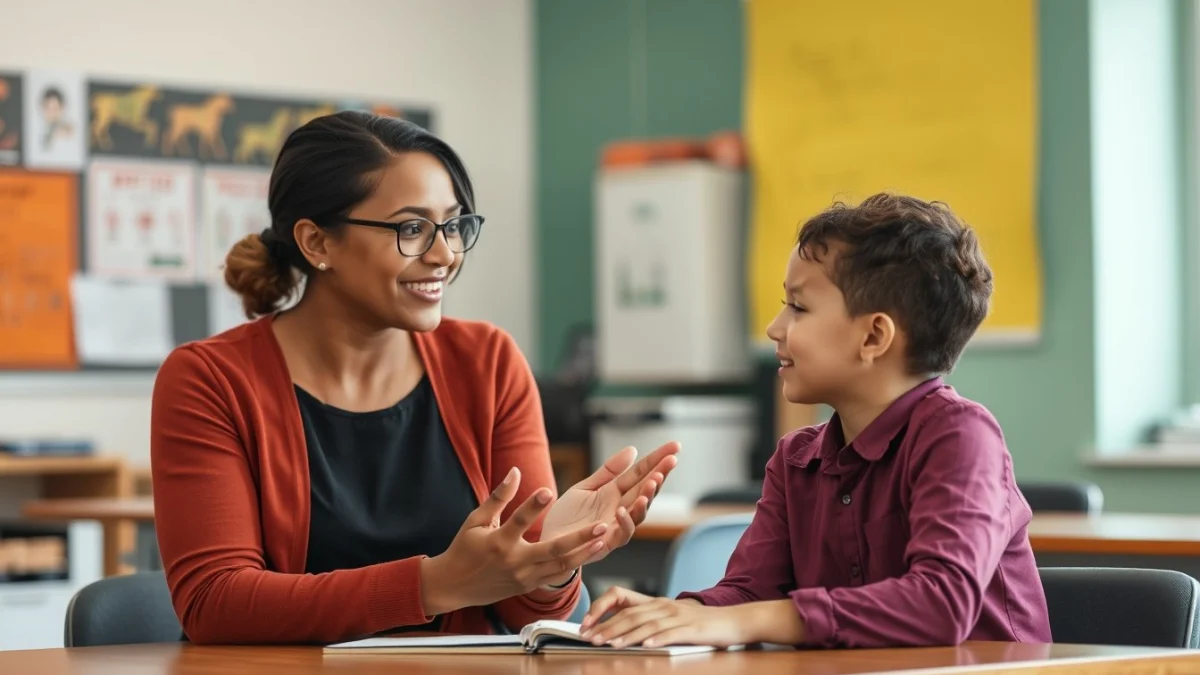
Good verbal communication starts with speaking clearly. Use simple language that everyone can understand. Avoid complicated words or slang that might confuse learners, especially if English is not their first language. Speak at a steady pace, not too fast or too slow, so your listeners can follow what you say.
Another key part is listening carefully. Communication is a two-way process. When you listen well, you can understand learners’ needs and feelings. Show you are listening by nodding or saying short responses like “I see” or “Thank you for telling me”. This encourages learners to express themselves freely.
Pay attention to your tone of voice. Speak kindly and respectfully, even if the situation is difficult. A calm and friendly tone helps learners feel safe and valued. Avoid sounding angry or impatient, as this can discourage communication and cause misunderstandings.
Tips for Effective Verbal Communication
- Use clear and simple words suitable for the learner’s age and language level.
- Speak slowly and loudly enough so everyone can hear and understand you.
- Listen actively without interrupting when someone else is speaking.
- Ask questions to check if the learner understands what you said.
- Use positive and encouraging feedback to motivate learners.
- Be patient and give learners time to respond.
- Keep your tone calm, friendly, and respectful.
Remember, body language like eye contact and facial expressions also supports verbal communication. When you combine clear words with good listening and positive body language, you become a more effective communicator. This helps you support learners better and create a welcoming learning environment.
In everyday work, practicing effective verbal communication helps you solve problems quickly and avoid misunderstandings. It also builds good relationships with learners, teachers, and parents. By using your voice well, you make a big difference in the learner’s experience and success.
Live Scenario • Active Situation
You are an educational support worker helping a learner who seems confused during a literacy session.
There is no single perfect answer. Choose what you would do in this situation.
