
Accurate Record-Keeping for Shipments
Why Accurate Record-Keeping Matters in Dispatch
Accurate record-keeping for shipments is essential for any dispatch clerk in South Africa. It helps you track what has been sent, when, and to whom. Good records avoid errors, delays, and lost goods that can cost money and harm your company’s reputation.
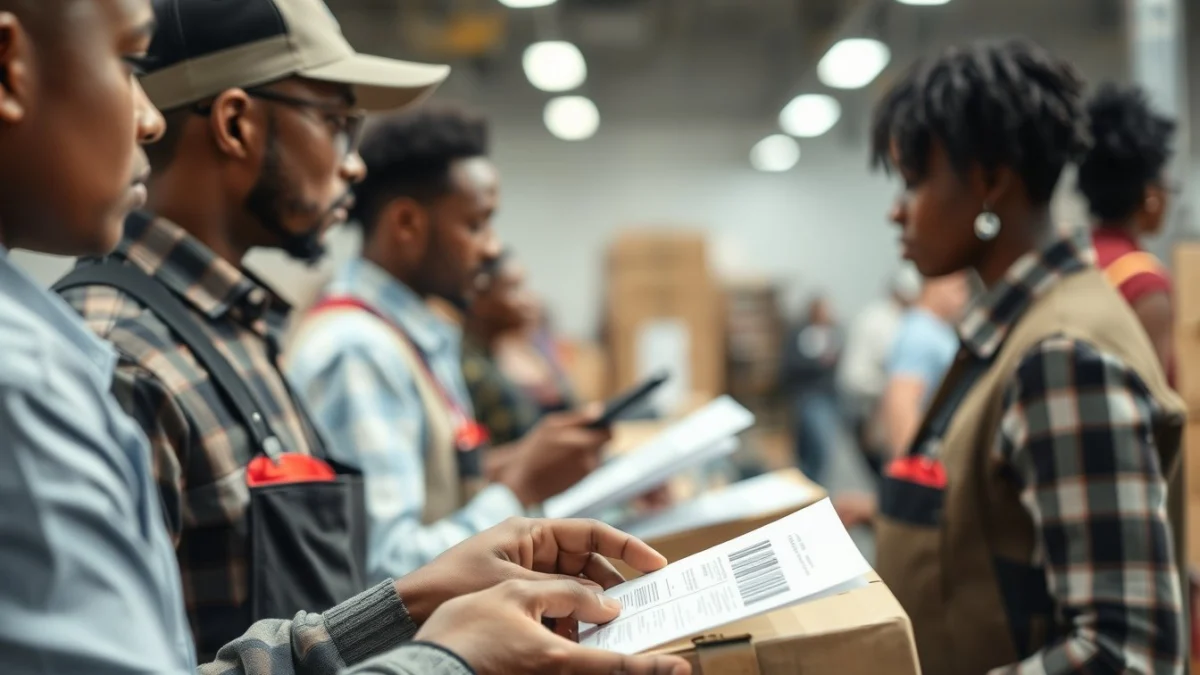
When you keep correct and detailed shipment records, you can answer questions quickly. For example, if a customer calls to ask about their order, you can check your records and give an immediate update. This improves customer service and trust.
Dispatch involves many documents like delivery notes, invoices, packing lists, and shipping labels. Each document contains important information that must be recorded accurately to ensure smooth handling of goods.
Key Benefits of Accurate Shipment Records
- Improved tracking of shipments in real-time
- Reduced risk of lost or misplaced goods
- Clear proof of goods sent for payment and audits
- Better communication between dispatch, drivers, and customers
- Faster problem-solving when issues arise
Errors in recording can lead to sending wrong items, losing orders, or late deliveries. This can cause complaints and extra costs. Using a clear, systematic approach to record-keeping fixes these risks.
Practical methods include filling in forms as soon as a shipment is prepared and double-checking details like product codes, quantities, and addresses. Many businesses use simple spreadsheets or specialised software to keep records safe and organised.
Regularly update your shipment files after every dispatch. Keep both physical copies and digital backups. This ensures you can find the information anytime it’s needed. Organising files by date or delivery route helps you find records faster.
Always record who prepared and approved the shipment. Keeping these accountability details confirms that checks were done correctly. It also helps when tracing the source of any mistake.
Good record-keeping is also important to meet legal and tax requirements in South Africa. Customs, VAT, and company audits often ask for proof of delivery and shipment details. Proper records help your company stay compliant and avoid penalties.
To sum up, accurate record-keeping for shipments is a basic skill for a dispatch clerk. It protects your company, improves customer satisfaction, and makes your daily work easier. Always be thorough and careful when managing dispatch documentation and records.
Live Scenario • Active Situation
You are a dispatch clerk responsible for managing shipment records at a busy warehouse in Johannesburg.
There is no single perfect answer. Choose what you would do in this situation.
