
Using Phone and Radio Systems Clearly
How to Communicate Effectively on Phone and Radio
Using phone and radio systems clearly is essential for dispatch clerks in South Africa. Clear communication helps avoid misunderstandings, ensures quick response times, and keeps everyone safe. Whether you are speaking to emergency responders, drivers, or other team members, your message must be easy to understand.
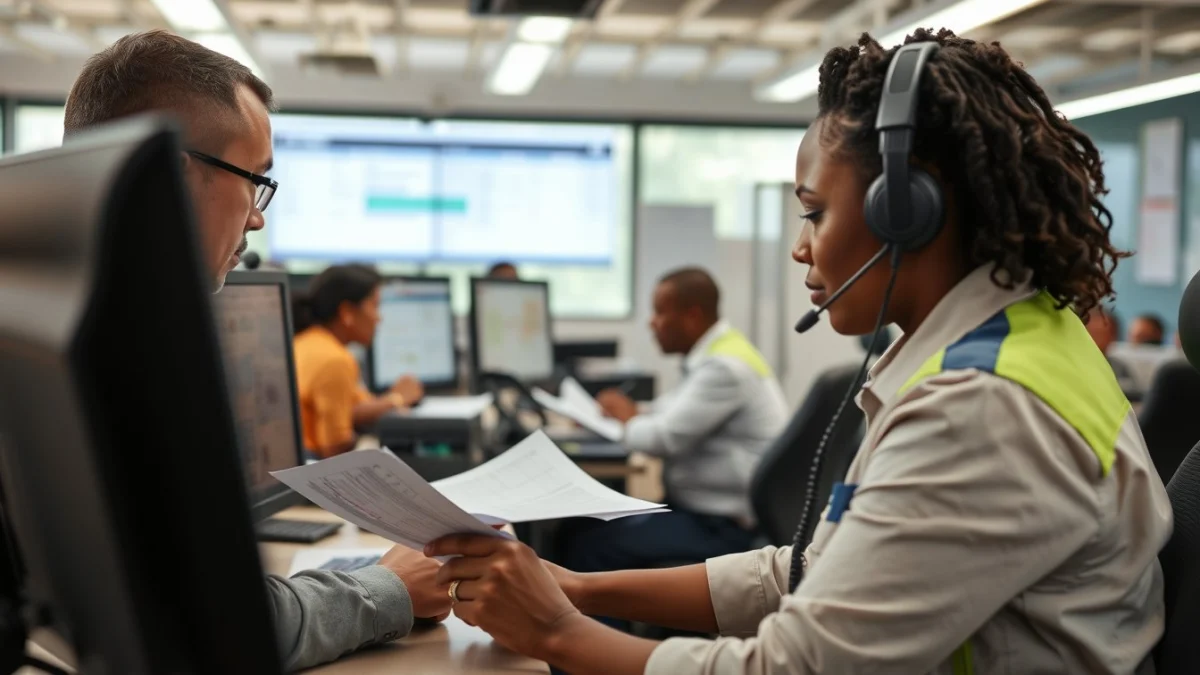
When talking on the phone, always start by identifying yourself and your role. For example, say, “Good morning, this is Dispatch Clerk Nandi from Cape Town Operations.” This lets the person know who they are speaking to. Speak slowly and calmly. Avoid slang and complicated words.
Radio communication is often used during emergencies or when hands-free communication is needed. Use the radio’s push-to-talk button properly. Press it before speaking and release it when done. This avoids cutting off your words. Use short sentences and speak clearly.
Tips for Clear Phone and Radio Communication
- Speak clearly, slowly, and loudly enough for the listener to hear you.
- Use simple and direct language. Avoid jargon or local slang.
- Break down information into small parts. Say one thing at a time.
- Repeat important details, such as addresses or times, to confirm understanding.
- Listen carefully before replying. Make sure you fully understand the message.
- Use common radio codes if your team agrees on them, but don’t overuse them with people who might not understand.
- Keep your messages brief but complete. Don’t leave out critical information.
In dispatch, emergencies often happen unexpectedly. Being clear on phone and radio can save valuable minutes. Always check that your phone or radio is working properly before your shift starts. Test the volume and signal strength. Keep a backup communication method ready, if possible.
When you receive a call or radio message, take notes immediately. Write down times, names, and instructions. This helps prevent forgetting important details. If you do not understand something, ask the person to repeat it. It is better to ask twice than to make a mistake.
Using phone and radio systems clearly also means being polite and professional. Avoid arguments or emotional reactions. Stay calm even if the situation is stressful. Your tone of voice can help calm others and keep communication effective.
Finally, respect the equipment you use. Keep radios charged and phones in good condition. Report any faults to your supervisor quickly. Clear communication relies on good tools and good habits.
By practising these communication skills every day, you will become more confident and effective as a dispatch clerk. Clear phone and radio communication is key to making sure help gets to the right place on time in South Africa.
Live Scenario • Active Situation
You are Dispatch Clerk Thabo at Johannesburg Operations, managing emergency calls and coordinating driver response through phone and radio.
There is no single perfect answer. Choose what you would do in this situation.
