
Handling Hazardous or Fragile Goods Safely
How to Protect Yourself and Others When Handling Dangerous or Fragile Items
Handling hazardous or fragile goods safely is very important in a dispatch environment. These goods can cause injuries or damage if not managed correctly. It is your responsibility to ensure the safety of yourself, your colleagues, and the goods during packing, storing, and transport.
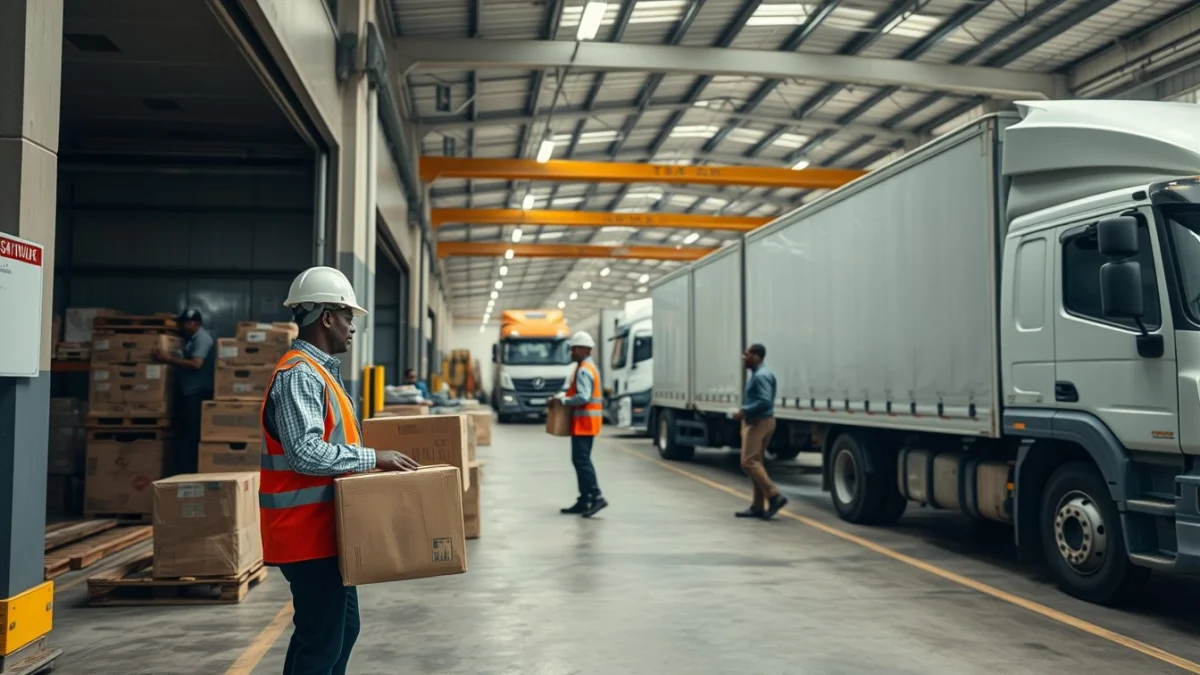
Hazardous goods may include chemicals, flammable materials, batteries, or medicines that need special care. Fragile goods include glass, ceramics, electronics, or any item that can break easily. Both types require careful handling to avoid accidents.
Key Steps for Handling Hazardous or Fragile Goods Safely
- Know the risks: Read and understand all labels, warning signs, and safety data sheets for hazardous materials. Recognise fragile labels such as “Handle with Care” or “Fragile.”
- Wear protective gear: Use gloves, safety goggles, masks, or aprons when handling hazardous goods. This helps protect you from spills, fumes, or splashes.
- Use proper tools and equipment: Use trolleys, lifts, or forklifts for heavy or bulky goods. Use cushioning materials like bubble wrap or foam for fragile items.
- Follow storage rules: Store hazardous goods separately from other items to avoid contamination or accidents. Keep fragile goods in sturdy boxes with clear labels and padding.
- Handle with care: Lift boxes carefully to avoid dropping. Do not stack fragile items too high. Avoid sudden movements when carrying hazardous goods.
- Report spills or damage: If a hazardous material leaks or a fragile item breaks, inform your supervisor immediately and follow emergency procedures.
- Transport safely: Secure all goods properly in vehicles. Use straps or nets to prevent movement during transport.
Remember, safety is a continuous process. Always check your surroundings and equipment before handling hazardous or fragile goods. Never rush, and ask for help if you are unsure or the load is too heavy.
Handling hazardous or fragile goods safely protects your health and helps your organisation avoid costly damage and delays. By following these practical steps, you contribute to a safer workplace for everyone.
Live Scenario • Active Situation
You are a dispatch clerk responsible for packing and preparing hazardous and fragile goods for transport at a busy warehouse.
There is no single perfect answer. Choose what you would do in this situation.
