Quick Answer
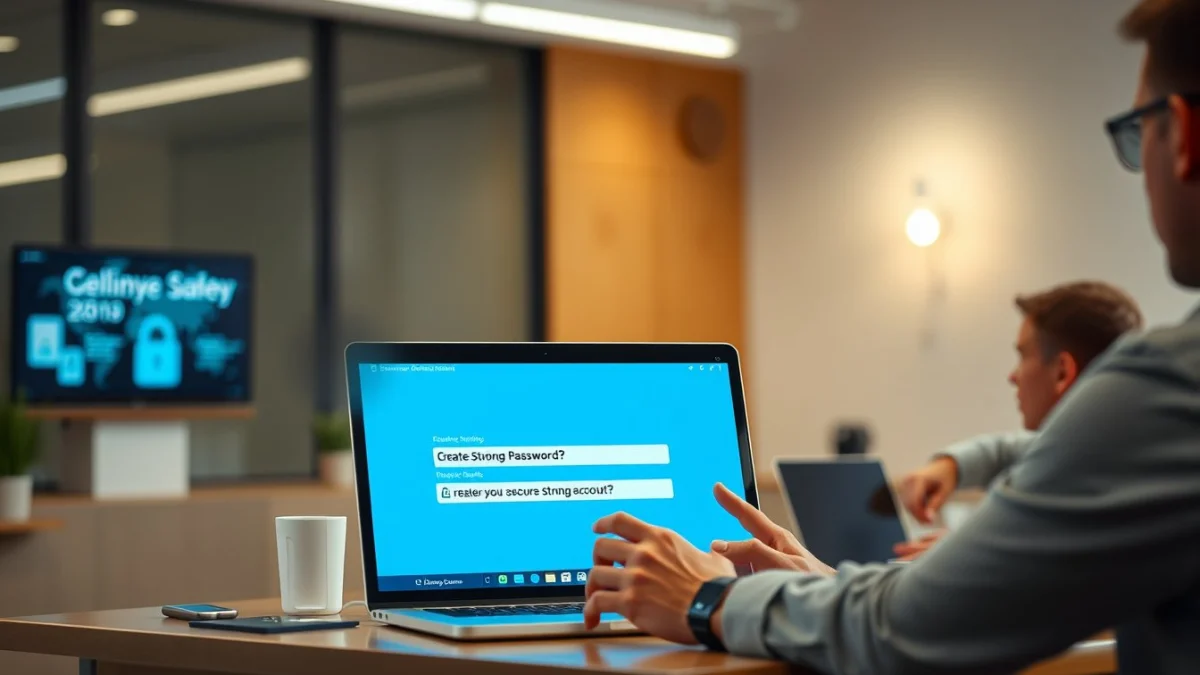
Creating strong passwords and securing your online accounts is one of the best ways to stop hackers from stealing your personal info. Use long, unique passwords with letters, numbers, and symbols. Turn on multi-factor authentication (MFA) for extra security. Manage your passwords safely with a password manager or good habits. These simple actions help keep your accounts safe from cyber threats.
Many beginners worry about forgetting passwords or getting hacked, especially with South Africa’s growing online services in banking and work. Knowing how to make and protect strong passwords gives you control and confidence to use the internet safely, whether at home or the office.
Why Strong Passwords Matter
Your passwords are like keys to your digital life. If a password is easy to guess or reused on many sites, hackers can break in and steal your personal, financial, or work data. Cyber criminals use automated software to try common passwords or trick you into giving them away. Strong passwords slow them down or stop them completely.
Enabling multi-factor authentication (MFA) means even if someone guesses your password, they still need a second code or approval from your phone. This extra step greatly reduces the risk of account theft.
How to Create Strong Passwords: Step-by-Step
- Make it long: Use at least 12 characters if possible. Longer is always safer.
- Mix characters: Use uppercase letters, lowercase letters, numbers, and special symbols.
- Avoid common words: Don’t use easy phrases like “password,” “123456,” or your name.
- Use unique passwords: Each account should have a different password so one breach doesn’t lead to many.
- Try passphrases: Combine random words with numbers and symbols to make strong but memorable passwords (e.g., Pineapple!7River&Blue).
Best Ways to Manage Passwords
Remembering lots of strong passwords can be hard. That’s why password managers like Bitwarden or LastPass are useful. They safely store your passwords and fill them in for you when you need them.
If you prefer not to use digital tools, writing passwords down is possible but riskier if others access the paper. Digital managers protect your passwords with encryption and keep things simple.
Also, update your important passwords regularly and check if any have been leaked using websites like “Have I Been Pwned.” Avoid reusing the same password and be cautious when sharing access with others.
Simple Steps to Secure Your Accounts
- Enable multi-factor authentication (MFA): Looks like a pain but is really the simplest way to block hackers.
- Check your account activity: Look for suspicious logins or changes you didn’t make.
- Set recovery options wisely: Use secure email addresses and phones for account recovery.
- Be careful with security questions: Use hard-to-guess answers or make them false but memorable.
- Log out on shared devices: Always sign out when using public or shared computers.
These easy habits improve your online safety and reduce the chance of falling victim to phishing or identity theft.
Keep Learning and Improving Your Cyber Skills
If you want to get serious about cyber security and build your skills step-by-step, consider a structured course. The Cyber Security Certificate Course covers practical topics like password security, phishing, malware, and network safety. It’s free and perfect for learners in South Africa who want to protect themselves and their workplaces.