Quick Answer
Information Officers in South Africa have to make sure their organisation follows POPIA rules for protecting personal data. They create data handling policies, train staff, monitor compliance, handle data breaches, and communicate with the Information Regulator. Their job is crucial for lawful and safe management of personal information.
Many beginners wonder what exactly they are expected to do, especially in South African workplaces where POPIA compliance is new but necessary. This guide breaks down the practical duties of Information Officers in simple terms to help you get started and avoid common mistakes.
What Is the Role of an Information Officer Under POPIA?
An Information Officer is the person a company appoints to oversee POPIA compliance. Their main job is to make sure the organisation collects, uses, stores, and shares personal information according to POPIA’s rules. They also serve as the main contact point if the Information Regulator needs to reach the organisation about data protection.
In practice, this means the Information Officer sets up rules and processes that everyone in the company must follow to handle personal information correctly. These rules protect both the individuals whose data is collected (data subjects) and the company from legal problems.
Main Responsibilities of Information Officers
Information Officers have a mix of practical tasks and strategic oversight. Their main duties include:
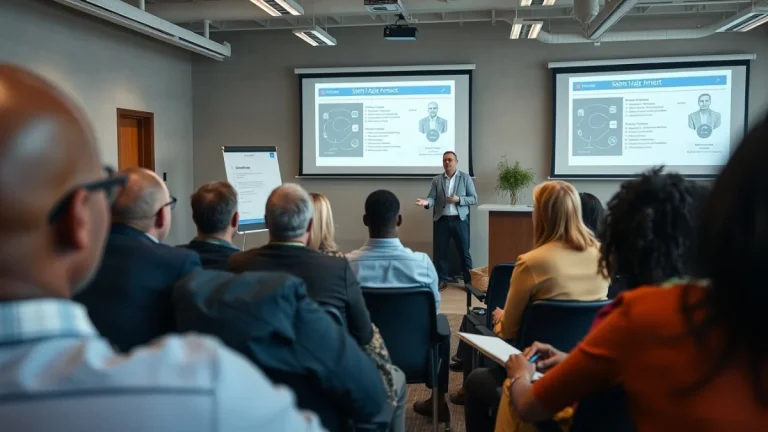
- Developing POPIA Policies: They write clear policies explaining how personal data is handled. These policies must follow POPIA’s key principles like transparency and security, and must be reviewed regularly.
- Training Staff: To ensure everyone understands their role in protecting data, the Information Officer arranges regular training sessions. Well-trained staff are less likely to cause accidental breaches or misuse data.
- Monitoring Compliance: They check that work processes comply with POPIA. This includes audits, risk assessments, and documenting compliance efforts.
- Handling Data Breaches: If data gets lost, stolen or exposed, the Information Officer coordinates the response, including reporting the incident to the Information Regulator and affected people as required.
- Managing Data Requests: They deal with requests from individuals asking to access, correct, or delete their personal information, ensuring responses happen within legally set timeframes.
How Information Officers Protect Data Every Day
On a daily basis, Information Officers work closely with IT and other departments to keep data safe. They oversee security measures like encrypted data storage, access controls, and secure networks. They also maintain records showing how personal data is processed, which helps when proving compliance.
They review consent forms to make sure consent is properly given and recorded where needed and ensure the organisation only collects information it really needs. This reduces risks and helps maintain trust with customers, employees, and partners.
Common Challenges and Mistakes to Avoid
Many new Information Officers make mistakes that can cause compliance problems. Common errors include not updating policies when laws change, failing to train staff regularly, ignoring small data incidents, and misunderstandings about when consent is required.
It’s also important to keep detailed records of all compliance efforts and to communicate clearly with management. Without this, it can be hard to show proof of compliance if the Information Regulator audits the company.
FAQs
Do Information Officers need formal qualifications under POPIA?
What should an Information Officer do if a data breach happens?
How often should staff training on POPIA happen?
Can a small business appoint an Information Officer?
Improve Your Skills as an Information Officer
To get confident in your role, consider taking the free POPIA & Data Protection Compliance Course with Certificate in South Africa. It covers key concepts, practical duties, and common scenarios to prepare you for managing data protection in the workplace. This course is ideal if you want a clear understanding of POPIA and how to apply it daily.