
Non-Verbal Communication in the Classroom
Non-Verbal Communication in the Classroom is an important skill for teacher assistants to understand. It refers to the way people share messages without using words. This includes body language, facial expressions, eye contact, gestures, and tone of voice. Non-verbal signals can help learners feel welcome, stay focused, and understand instructions better.
Why Non-Verbal Communication Matters for Teacher Assistants
Teacher assistants often support learners who may struggle with verbal communication or language barriers. Using non-verbal communication effectively can help you connect with these learners. It also shows respect and patience, which improves classroom behaviour and learning outcomes.
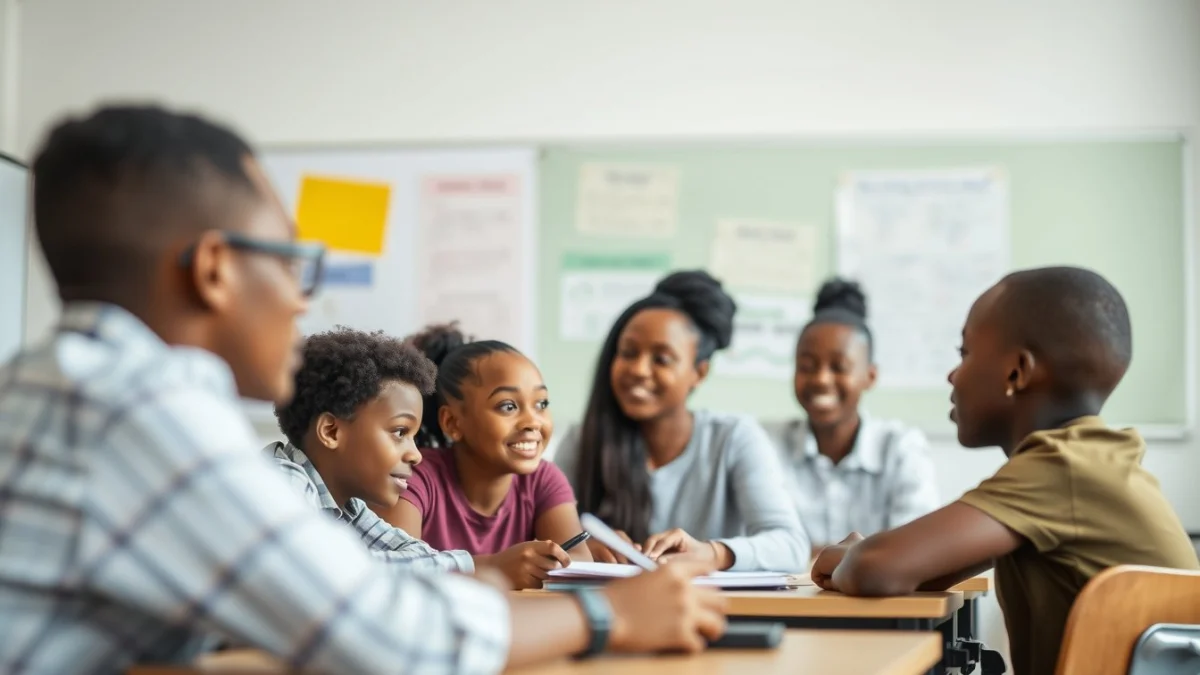
Positive non-verbal actions can encourage learners to participate and feel safe. For example, smiling or nodding can show learners you are listening and encourage them to keep trying. On the other hand, negative gestures like rolling eyes or crossing arms may make learners feel unimportant or shy.
Common Types of Non-Verbal Communication You Will Use
- Facial Expressions: Smiles, frowns, or raised eyebrows help show your feelings and reactions.
- Body Language: Standing or sitting straight shows attention. Leaning slightly forward shows interest.
- Eye Contact: Making eye contact shows you are focused on the learner but avoid staring, which can be uncomfortable.
- Gestures: Using hand signals like thumbs up or a gentle wave can support your words or indicate approval.
- Proximity: Your distance from learners can be encouraging or intimidating. Stay close enough to assist but respect personal space.
- Tone of Voice: Though verbal, the tone helps communicate calmness, patience, or urgency without harsh words.
By paying attention to these non-verbal signs, you can better understand your learners’ feelings or needs, even when they don’t say much. This helps you adapt your support quickly and calmly.
How to Improve Your Non-Verbal Communication Skills
Practice simple habits to become confident in non-verbal communication:
- Watch learners closely to notice their body language and mood.
- Match your facial expressions with what you want to say.
- Use open body language by keeping your arms and hands visible and relaxed.
- Smile more often to create a friendly atmosphere.
- Avoid negative gestures like sighing or looking away when learners speak.
- Keep calm tones, even if you need to correct learners.
- Respect cultural differences in gestures and personal space.
In summary, Non-Verbal Communication in the Classroom helps teacher assistants build trust and support learning. Your gestures, expressions, and tone can speak louder than words. Use non-verbal communication positively to create a better learning environment for all learners.
Live Scenario • Active Situation
You are a teacher assistant supporting learners in a busy Grade 3 classroom.
There is no single perfect answer. Choose what you would do in this situation.
