
Effective Communication with Teachers and Learners
Effective communication with teachers and learners is essential for teacher assistants to support a positive learning environment. It helps everyone understand each other clearly and work together smoothly. Good communication skills make teaching easier and help learners do their best.
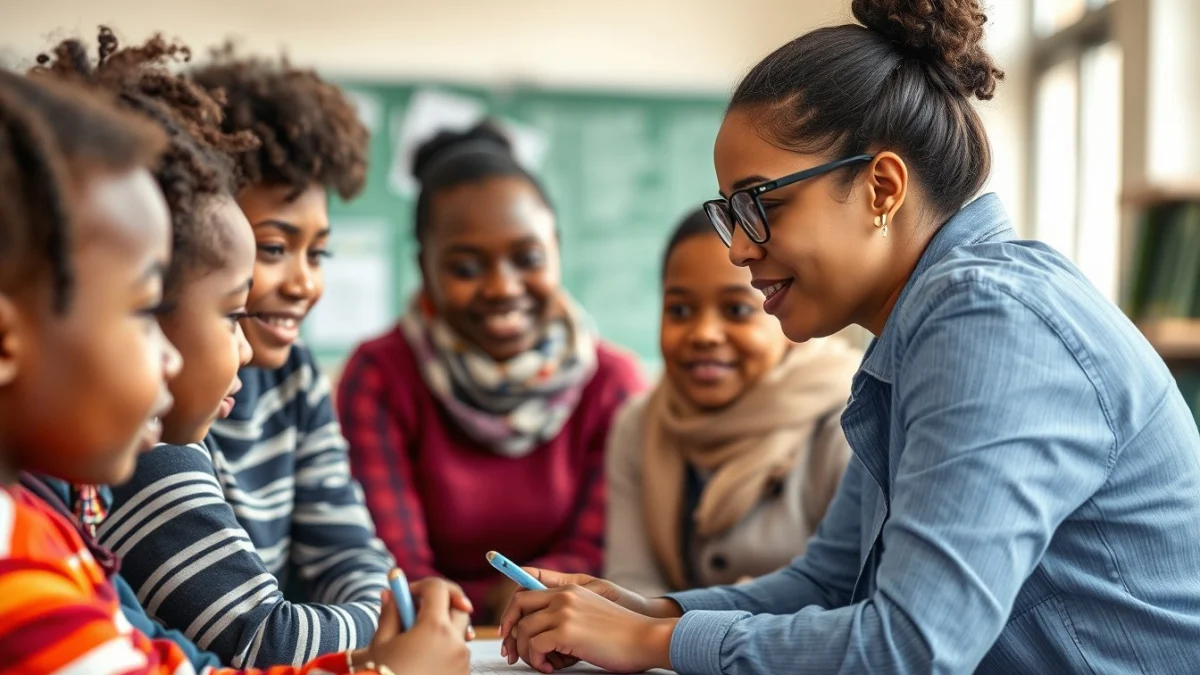
Key Ways to Communicate Well as a Teacher Assistant
Teacher assistants must speak and listen carefully when working with teachers and learners. This makes sure messages are clear and instructions are followed. It also helps solve problems quickly and keeps a friendly classroom atmosphere.
Important Communication Skills for Teacher Assistants
- Listen actively: Pay close attention when teachers or learners speak. Show that you understand by nodding or repeating what you heard.
- Speak clearly: Use simple words and short sentences. Make sure your voice is calm and easy to hear.
- Use positive body language: Smile, make eye contact, and use friendly gestures. This makes others feel comfortable and respected.
- Ask questions: If you do not understand something, ask for more information. This stops mistakes and confusion.
- Be patient: Some learners may take more time to understand. Speak slowly and explain things more than once if needed.
Good communication also means being respectful. Teachers and learners come from different backgrounds. Always be polite and avoid hurtful language. This builds trust and helps everyone feel safe.
When helping learners, teacher assistants should encourage them to speak up and share ideas. This helps learners grow in confidence and practice their own communication skills. Ask open questions like, “What do you think?” or “Can you explain that?”
Sometimes, learners may struggle with speaking or understanding instructions. Use clear examples, pictures, or gestures to explain better. For example, pointing to objects or demonstrating tasks can help learners understand without many words.
Teacher assistants should also share useful information with teachers. Let the teacher know if a learner needs extra help or if something is happening in the classroom that might affect learning. Sharing this information helps teachers plan better lessons and support learners more effectively.
In group activities, good communication skills help manage different opinions and guide learners to work well together. Encourage respectful listening and turn-taking so all learners participate. Remind them that everyone’s ideas are important.
Using simple, clear language and paying attention to non-verbal signs like facial expressions help teacher assistants recognise when learners are confused or upset. This allows quick support before small problems become big issues.
Finally, technology can support effective communication. Many classrooms use computers, tablets, or messaging apps to share information. Teacher assistants should learn to use these tools properly to help teachers and communicate with learners when needed.
To sum up, effective communication with teachers and learners means listening well, speaking clearly, being patient, and showing respect. These skills make teaching and learning easier and create a happy, safe classroom where everyone can succeed.
Live Scenario • Active Situation
You are a teacher assistant in a busy Grade 4 classroom, supporting both the teacher and learners.
There is no single perfect answer. Choose what you would do in this situation.
