
Using stock data to improve operations
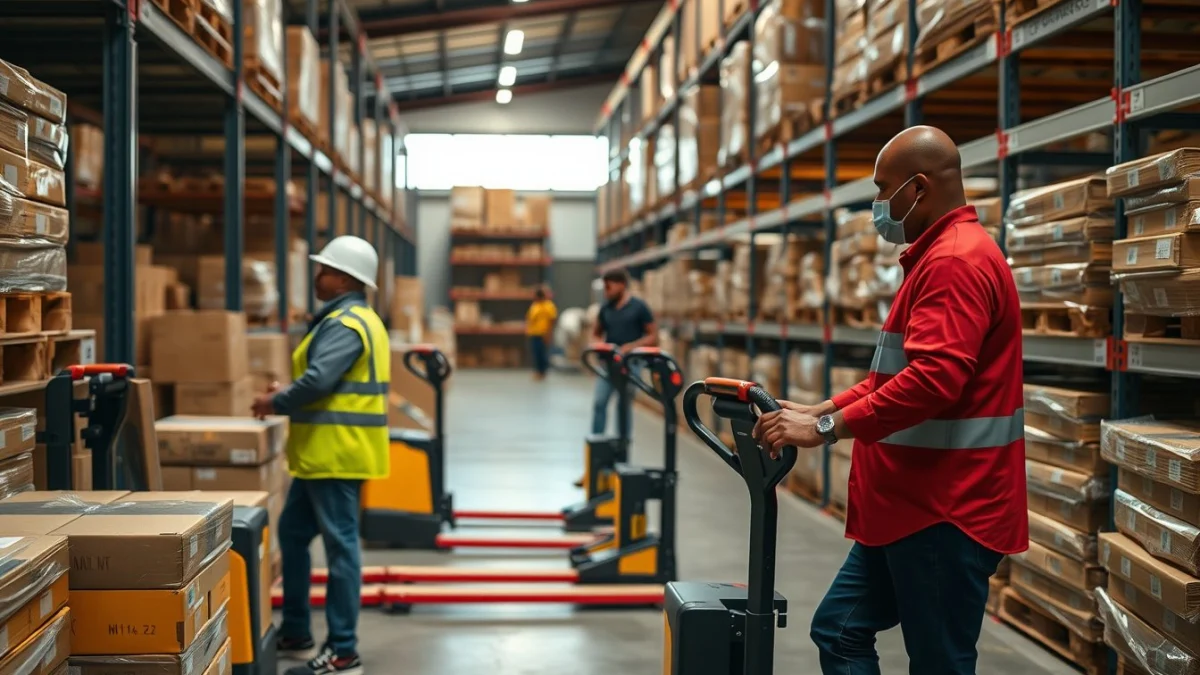
How stock data helps make operations better
Using stock data to improve operations means tracking and analysing all the information about the stock you have. This helps you make smart decisions that save money, time, and avoid mistakes. Stock data includes details like how much stock is available, sales trends, delivery times, and order history. When you collect and study this data regularly, you understand what items sell fast, which ones don’t, and when you need to order more. Good use of stock data helps with:
Benefits of using stock data in daily work
- Preventing stock shortages: You can see which products are running low and order before they finish.
- Reducing overstocking: Avoid buying too much of products that don’t sell quickly, saving storage space and money.
- Improving ordering accuracy: Data shows exactly how much stock is needed, stopping guesswork.
- Identifying slow-moving stock: Helps clear old stock and avoid losses.
- Better supplier management: Using data on delivery times and costs helps choose reliable suppliers and negotiate better deals.
- Quick problem detection: Spot issues like theft, wastage or errors early by reviewing stock records.
Stock data also supports clear communication with your team and management. When everyone uses the same accurate data, it is easier to report on stock status and explain decisions. To make the most of stock data, you need to:
- Record stock movement carefully every day.
- Use stock control systems or software to organise and update data.
- Regularly review reports and trends.
- Train staff on understanding and using stock data properly.
In short, using stock data to improve operations lets you manage stock smarter, avoid problems, and keep your business running smoothly. It helps you supply customers quickly and saves on costs by preventing waste and stock errors.
Live Scenario • Active Situation
You are a Stock Controller monitoring inventory levels at a busy retail warehouse.
There is no single perfect answer. Choose what you would do in this situation.
