
Common checklist mistakes to avoid
Avoiding Common Pitfalls in Safety Inspection Checklists
Common checklist mistakes to avoid during safety inspections can save time, reduce risks, and improve the quality of your inspections. Knowing these errors helps you create and use effective checklists that help identify problems clearly and quickly.
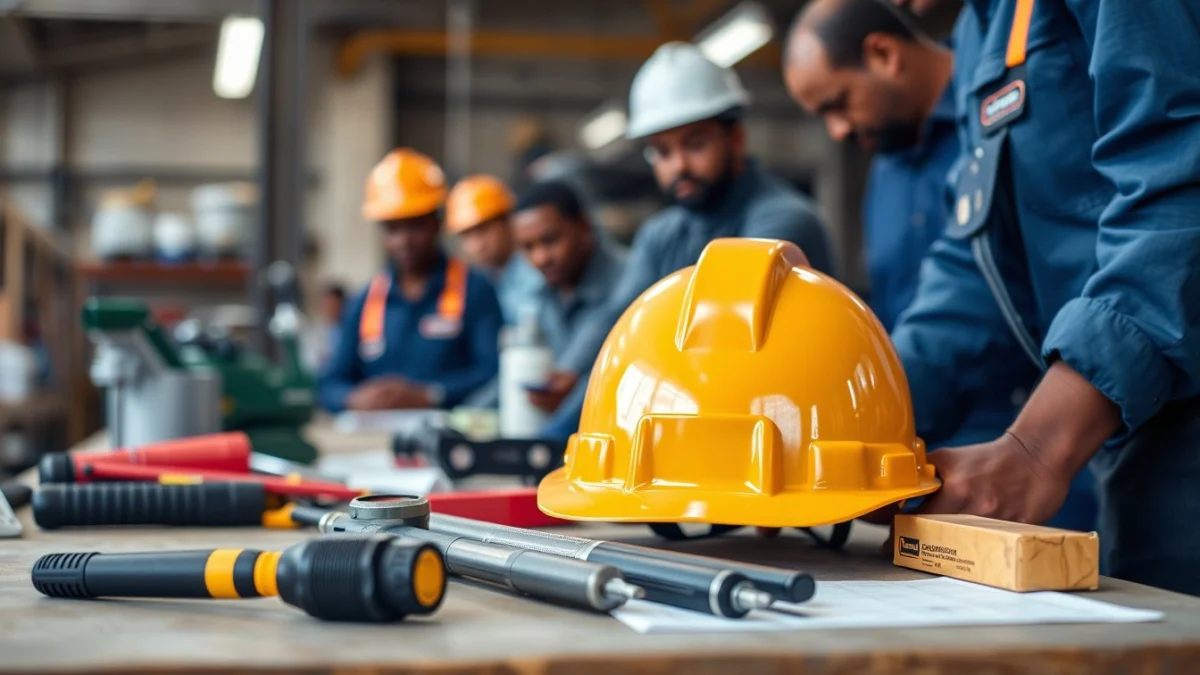
One common mistake is making checklists too long or complicated. When checklists have too many items or use difficult language, inspectors may rush or skip parts. Keep checklists short, clear, and focused on key safety points to make inspections easier and more thorough.
Another mistake is using vague or unclear questions. For example, a checklist item like “Is the area safe?” is too general and hard to answer properly. It is better to break down safety into specific points, like “Are emergency exits clear and accessible?” Clear questions give inspectors clear guidance.
Checklists that do not match the specific workplace or equipment being inspected are less useful. Using a generic checklist for all inspections means some important hazards may be missed. Always adapt checklists to the exact location, task, or machinery involved.
Failing to update checklists is a serious error. Workplace conditions and regulations change, so checklists must be reviewed and updated regularly. Outdated checklists can give a false sense of security and miss new hazards.
Not training users how to properly complete checklists is another problem. Without training, inspectors might not understand the checklist fully or use it inconsistently. Proper training ensures all inspectors use the checklist the same way and understand the importance of each item.
Finally, simply filling in checklists without following up on issues is a major mistake. The point of a checklist is to identify risks and correct them. If action is not taken after a checklist shows a problem, the inspection loses value.
Top Common Checklist Mistakes to Avoid
- Overly long or complex checklists
- Vague or unclear checklist items
- Using one checklist for different inspection types
- Not updating checklists regularly
- No proper training on checklist use
- No follow-up on identified issues
By avoiding these common checklist mistakes, you can make sure your safety inspections are effective and improve workplace safety. Clear, relevant, and well-used checklists help spot hazards early and keep everyone safer.
Live Scenario • Active Situation
You are a safety officer conducting a routine inspection in a manufacturing plant.
There is no single perfect answer. Choose what you would do in this situation.
