
Engaging with workers during inspection
How to Communicate Effectively with Workers During Safety Inspections
Engaging with workers during inspection is essential to make sure safety checks are thorough and practical. When inspectors talk directly with workers, they learn about real problems and hidden risks that may not be obvious in a quick visual check.
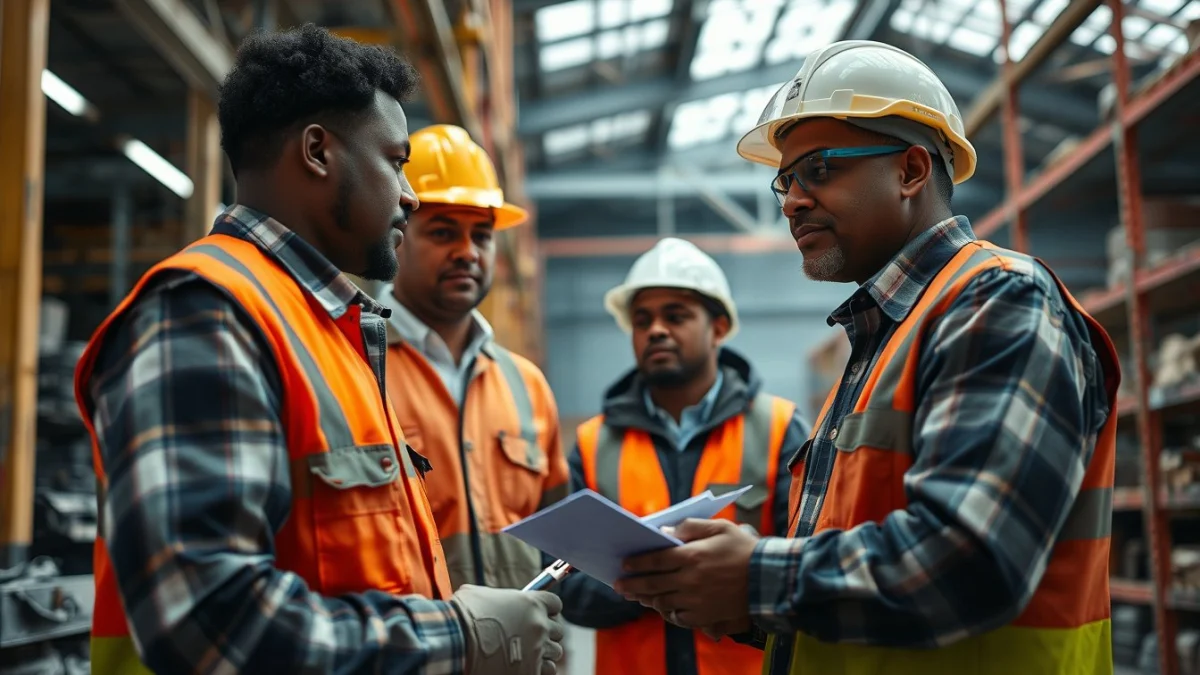
Workers know daily tasks and challenges better than anyone else. Their input helps identify unsafe conditions, faulty equipment, or poor work practices. This cooperation creates a safer workplace and encourages workers to take responsibility for their safety and that of their colleagues.
Steps for Engaging with Workers During a Safety Inspection
- Introduce Yourself Clearly
Start by telling workers your name and why you are there. Explain that the inspection aims to improve safety, not to blame anyone. - Ask Open-Ended Questions
Encourage workers to share their experiences. For example, ask “What safety risks do you notice daily?” or “Are there any tools or processes that worry you?” - Listen Actively
Pay close attention to their answers. Show that you value their opinions by nodding or giving simple verbal feedback. - Observe Work Practices
Watch how workers perform tasks. Ask if they follow any safety rules and if these rules are easy to understand and follow. - Discuss Safety Concerns Openly
Create a non-judgmental space for workers to describe hazards or past incidents without fear of punishment. - Provide Clear Explanations
Explain any safety policies or inspection procedures in simple terms to help workers understand their importance. - Offer Practical Safety Tips
Give advice that workers can apply easily while doing their jobs. - Encourage Reporting
Motivate workers to report unsafe conditions immediately to prevent accidents. - Thank Workers
Always show appreciation for their cooperation and honesty during the inspection.
Engaging with workers during inspection improves trust between management and staff. It also helps find risks before they cause accidents. Inspectors should prepare well, communicate clearly, and treat all workers with respect. In return, workers will be more likely to support safety efforts and follow safe work procedures.
Remember, a safety inspection is not just about finding faults. It is about working together to create a secure workplace where everyone can perform confidently and safely.
Live Scenario • Active Situation
You are a safety inspector conducting a safety inspection in a busy manufacturing workshop.
There is no single perfect answer. Choose what you would do in this situation.
