
Cross-selling and Upselling Techniques
How Cross-selling and Upselling Improve Retail Sales
Cross-selling and upselling techniques are useful methods to increase sales and improve customer satisfaction in retail. These techniques help sales staff recommend additional or better products that meet the needs or interests of the customer. When done correctly, they add value for the customer and benefit the store by increasing the average sale value.
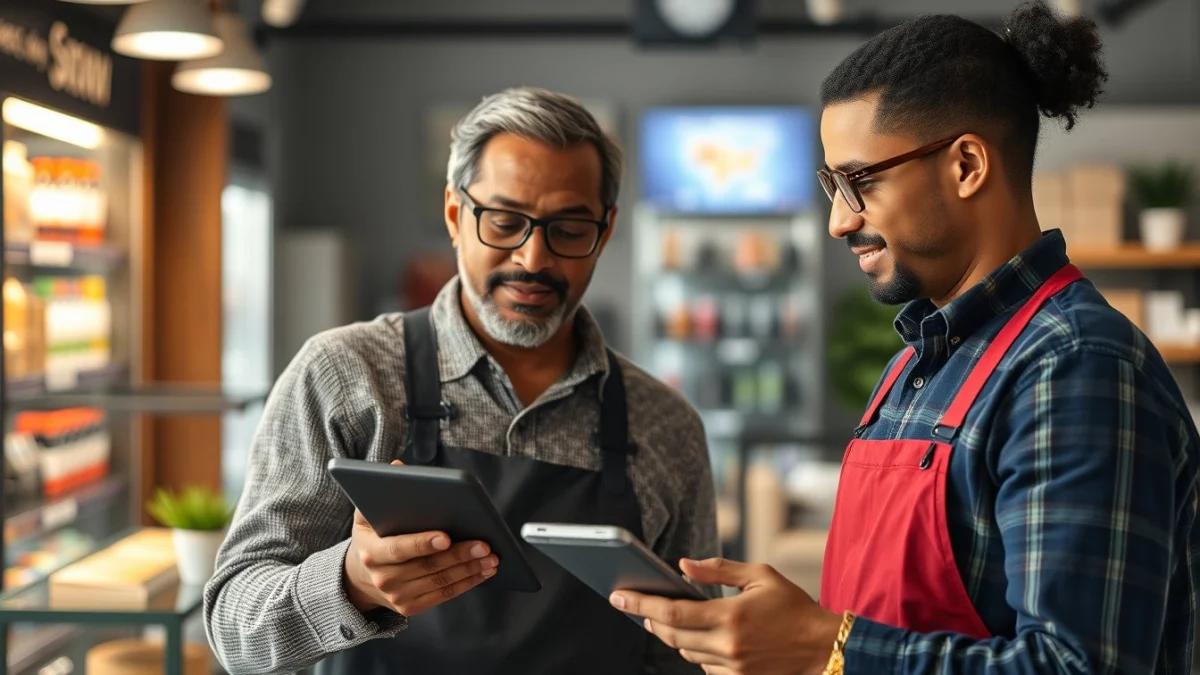
Cross-selling means encouraging a customer to buy related or complementary products along with the main item they want. For example, if a customer is buying shoes, the salesperson might suggest buying socks or shoe cleaner. This not only improves the customer’s experience but also boosts sales by adding more items to the purchase.
Upselling involves persuading the customer to buy a more expensive or upgraded version of the product they are considering. For example, if a customer is looking at a basic smartphone, the salesperson might explain the benefits of a better model with more features. This technique can increase the value of a single sale while meeting the customer’s needs for quality or performance.
Practical Tips for Using Cross-selling and Upselling Techniques
- Understand customer needs: Always listen carefully to what the customer wants. Make suggestions that really suit their preferences to build trust.
- Be knowledgeable: Know your products well so you can explain the benefits clearly, whether it’s an add-on or a better model.
- Don’t be pushy: Offer options politely and let the customer decide. Pressuring customers can reduce satisfaction and future sales.
- Use simple language: Avoid complicated words. Explain the value simply and clearly to make it easy for customers to understand the benefits.
- Offer product bundles: Create sets where related items are sold together at a discounted price. This encourages cross-selling naturally.
- Focus on benefits: When upselling, highlight how the better product solves problems or offers more value than the basic one.
- Know when to stop: If a customer is not interested, respect their choice and focus on making their main purchase a good experience.
Retail employees who apply cross-selling and upselling techniques effectively can increase sales without making customers feel forced. These methods help customers get more value and satisfaction from their shopping, which can lead to repeat business and good word-of-mouth for the store.
In summary, cross-selling and upselling are simple but powerful strategies in retail management. By understanding the customer’s needs and offering helpful suggestions, sales staff can improve both customer experience and the store’s profitability.
Live Scenario • Active Situation
You are a sales assistant at a busy retail store specialising in electronics and accessories.
There is no single perfect answer. Choose what you would do in this situation.
