
Security Measures for Retail Stores
Practical Security Steps for Retail Store Safety
Security Measures for Retail Stores are essential to protect staff, customers, and stock. Retail businesses face risks like theft, vandalism, and fraud, so it is important to have clear safety plans in place. Good security helps reduce losses and creates a safer shopping environment.
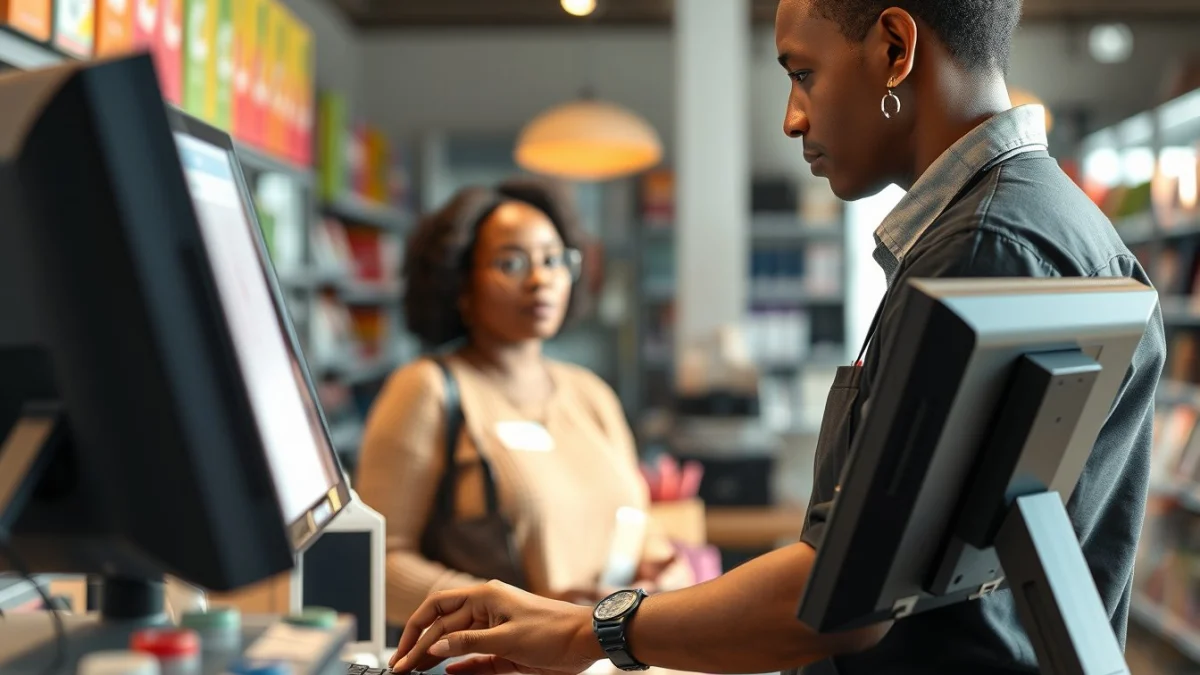
Store owners and managers should begin by evaluating their specific risks. This involves looking at the store layout, location, staff training needs, and previous security incidents. Each retail space requires tailored security solutions based on these factors.
Key Security Measures for Retail Stores
- Access Control: Limit entry and exit points. Use locks, security gates, or electronic access cards. This helps control who enters sensitive areas like stockrooms.
- CCTV Surveillance: Install cameras in and around the store. CCTV helps monitor activity and can deter criminals. Ensure cameras cover entrances, aisles, tills, and loading zones.
- Alarm Systems: Use alarms that trigger for break-ins or fire. Alarms should be linked to a security company or local police for a quick response.
- Staff Training: Train employees to spot suspicious behaviour and how to respond during emergencies. Staff must know how to handle theft attempts calmly and safely.
- Customer Awareness: Encourage honest behaviour by greeting customers warmly and providing good service. Visible staff presence discourages shoplifting.
- Inventory Management: Keep accurate stock records and perform regular counts. This helps quickly identify missing items and prevent loss.
- Security Personnel: Employ security guards if needed, especially in high-risk areas. Guards can respond to incidents and patrol the store during busy times.
- Lighting: Use good lighting inside and outside the store. Well-lit areas reduce hiding spots for criminals and make customers feel safer.
Regular maintenance of security equipment is important. Check cameras, alarms, and locks often to ensure they work properly. Also, review security policies yearly and update them as risks change or when new technology becomes available.
Implementing these security measures helps protect the business and supports a positive reputation. When customers feel safe, they are more likely to return and recommend the store.
In summary, Security Measures for Retail Stores require a mix of technology, training, and physical safeguards. Starting with a risk assessment and following with practical steps like CCTV, alarms, staff training, and good lighting will keep retail environments safe and secure.
Live Scenario • Active Situation
You are a retail floor supervisor in a busy store responsible for safety and security.
There is no single perfect answer. Choose what you would do in this situation.
