
Role of a quality control inspector in the workplace
Understanding the Duties of a Quality Control Inspector
The role of a quality control inspector in the workplace is to ensure that products and services meet set standards before reaching customers. This helps companies deliver goods that are safe, reliable, and of good quality. Quality control inspectors check every stage of production to stop faults and errors.
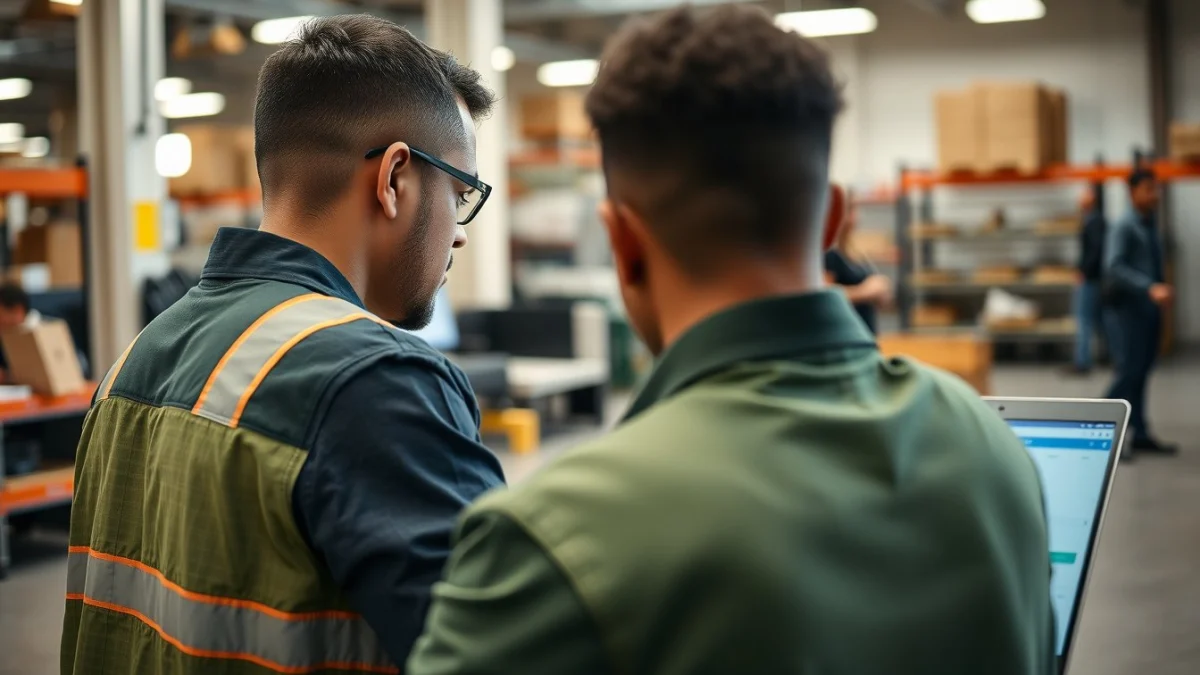
Quality control inspectors work mainly in factories, workshops, and construction sites. Their job is important because poor quality can cause harm, waste money, and damage a company’s reputation. By catching problems early, they help save costs and improve customer satisfaction.
Main Tasks of a Quality Control Inspector
- Inspecting Materials: They check raw materials for defects before use in making products.
- Monitoring Production: They watch the production process to make sure it follows technical drawings and instructions.
- Testing Products: They use tools and machines to test items for measurements, strength, and performance.
- Reporting Problems: When faults are found, they record details and inform supervisors to fix the issue.
- Keeping Records: They maintain accurate records of inspections and test results for quality tracking.
- Following Safety Rules: They ensure that all quality control tests are done safely to protect themselves and others.
Good communication is essential for quality control inspectors. They must explain problems clearly to production teams and work together to solve defects quickly. They also need to understand customer requirements and company policies on quality.
Quality control inspectors use various tools like measuring devices, microscopes, and software systems. Being precise and paying attention to detail are important qualities to avoid overlooking issues. Problem-solving skills help them when they encounter new faults or unusual problems.
In summary, the role of a quality control inspector in the workplace is critical for producing high-quality products. Their inspections prevent defective items from reaching customers, improve production efficiency, and support overall business success.
Live Scenario • Active Situation
You are a quality control inspector working in a factory producing construction tools.
There is no single perfect answer. Choose what you would do in this situation.
