
Impact of risks on project objectives
How Risks Affect Your Project Goals
The impact of risks on project objectives is very important to understand. Risks can change how well your project meets its goals. These goals usually include time, cost, quality, and scope. When risks happen, they can cause delays, increase costs, lower quality, or change what the project will deliver.
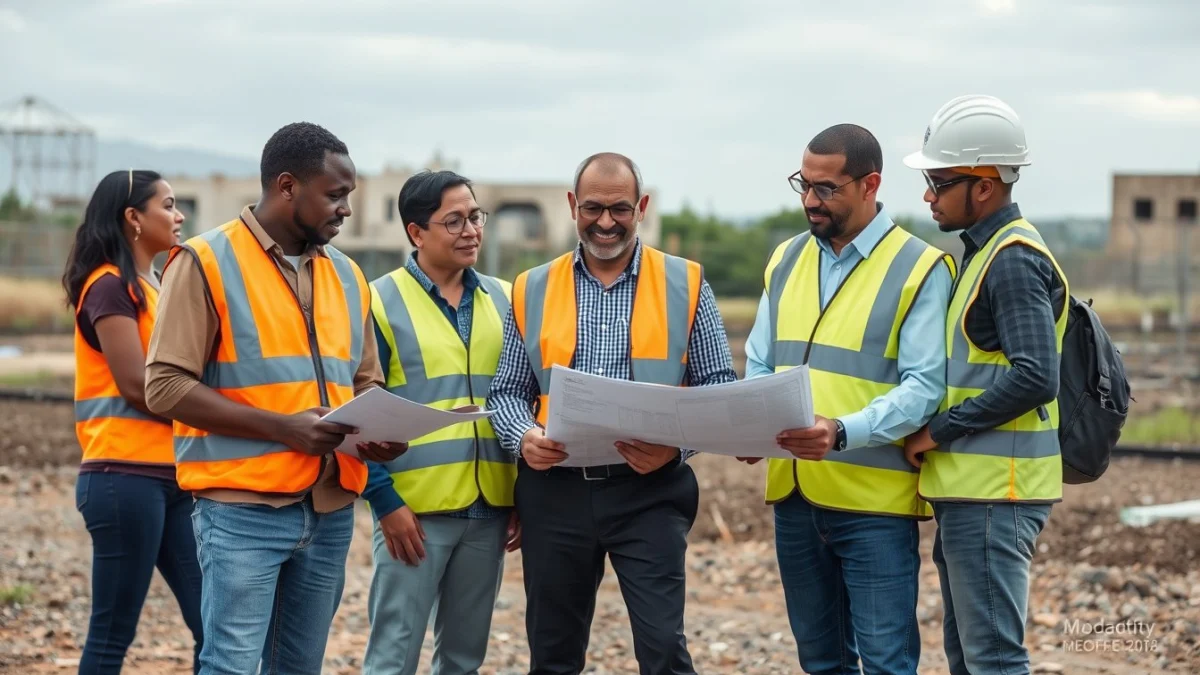
Every risk has the potential to affect one or more of your project objectives. For example, if there is a risk of poor weather, it may delay construction and cause the project to finish late. This affects the time objective. If unexpected costs come up, the project might go over budget, which affects the cost objective.
It is also important to know that some risks can have positive effects. These are opportunities that can help your project do better than planned. For example, a new technology might make work faster, improving quality and saving time.
Main Project Objectives Affected by Risks
- Time – Risks can cause delays or require extra time to complete tasks.
- Cost – Risks can increase expenses or create savings.
- Quality – Risks can lower or improve the quality of the project outputs.
- Scope – Risks can change what the project delivers or its scale.
- Resources – Risks can affect the availability of people, tools, or materials.
Understanding the impact of risks on project objectives helps the project team prepare better. By identifying risks early, you can plan how to avoid or reduce them. You can also decide how to use positive risks (opportunities) to improve project success.
For example, during risk assessment, the team may find that a supplier might deliver materials late (risk). This could cause delays (time impact) and extra costs (cost impact). Knowing this, the team can look for a backup supplier or order materials earlier.
In summary, the impact of risks on project objectives requires careful attention. It ensures that the project stays on track and meets its goals, despite uncertain events.
Live Scenario • Active Situation
You are a project manager overseeing a new office construction project.
There is no single perfect answer. Choose what you would do in this situation.
