
Brainstorming and interviews for risk spotting
How Brainstorming and Interviews Help Spot Project Risks
Brainstorming and interviews for risk spotting are two common techniques used in project risk management. These methods help project teams identify possible risks early on, so they can plan how to minimise or manage them. They are simple but effective ways to look for anything that might go wrong with a project.
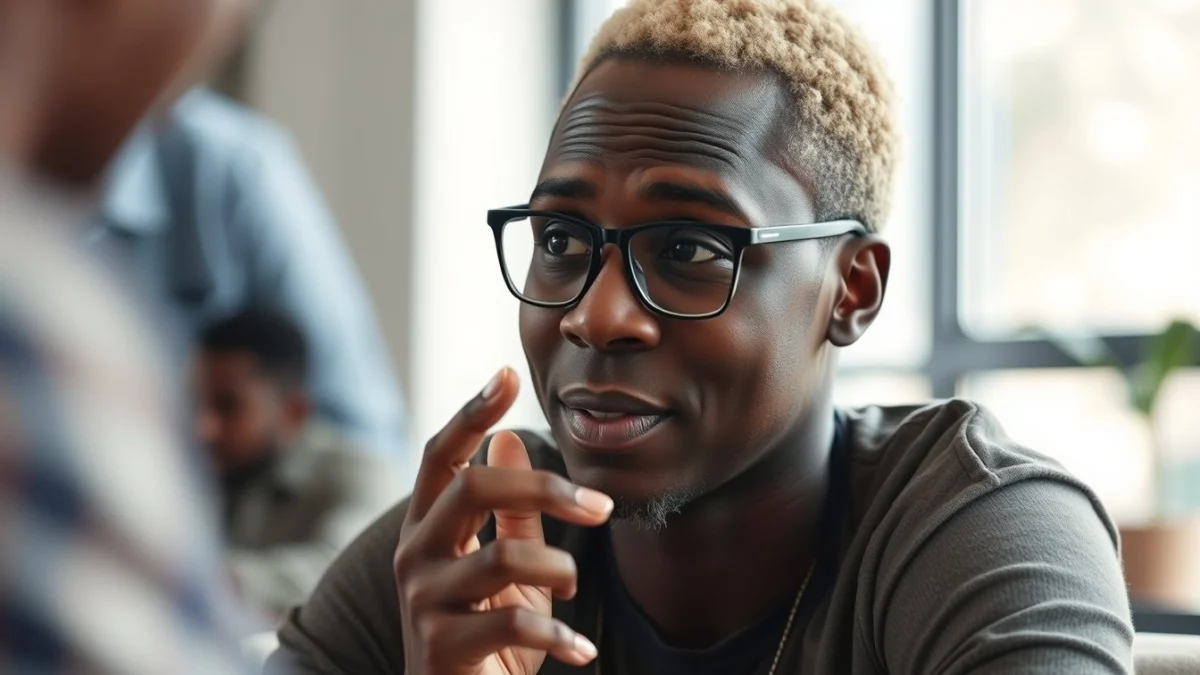
Brainstorming is a group activity where team members come together and share ideas openly. The goal is to speak freely without judging or criticising any ideas. This helps uncover a wide range of possible risks from different perspectives.
During brainstorming sessions, the team discusses the project’s goals, plans, and challenges. Everyone is encouraged to think about what could cause problems, delays or extra costs. The more ideas collected, the better the chance of spotting hidden risks.
Here are some key points about brainstorming for risk spotting:
- Include people with different roles and skills to get diverse views.
- Create a relaxed environment where everyone feels safe to speak up.
- Write down all ideas without filtering them during the session.
- Use prompts or questions to guide thinking, such as “What if…?” or “How could this fail?”
- Review and organise the ideas after the session to identify real risks.
Interviews involve talking individually with experts, stakeholders, or team members. The interviewer asks open-ended questions to discover risks based on the person’s experience and knowledge. Interviews provide detailed, specific information that might not come up in a group setting.
When using interviews for risk spotting, it’s important to prepare clear questions that cover areas like project scope, assumptions, past problems, and external factors. Listening carefully helps uncover concerns that might affect the project’s success.
Tips for effective interviews include:
- Choose interviewees who have deep knowledge or experience related to the project.
- Explain the purpose of the interview and how the information will be used.
- Ask open questions to encourage detailed answers.
- Probe for examples or explanations to understand the risks better.
- Summarise the answers and confirm with the interviewee to avoid misunderstandings.
Both brainstorming and interviews for risk spotting are essential because they provide different views. Brainstorming raises many ideas quickly from a team, while interviews gain deep insights from individuals.
To get the best results, use these methods together in your project. Start with brainstorming to list possible risks, then follow up with interviews to explore important risks in more detail. This combined approach improves risk identification and helps your project plan for success.
Live Scenario • Active Situation
You are a project manager leading risk identification for a new IT rollout.
There is no single perfect answer. Choose what you would do in this situation.
