
Safe handling and storage of cleaning products
How to Handle and Store Cleaning Products Safely
Safe handling and storage of cleaning products are very important in housekeeping. Cleaning products can be harmful if used or kept wrongly. They may cause injuries, sickness, or damage to property. Knowing the right ways to handle and store these products helps keep you, others, and the workplace safe.
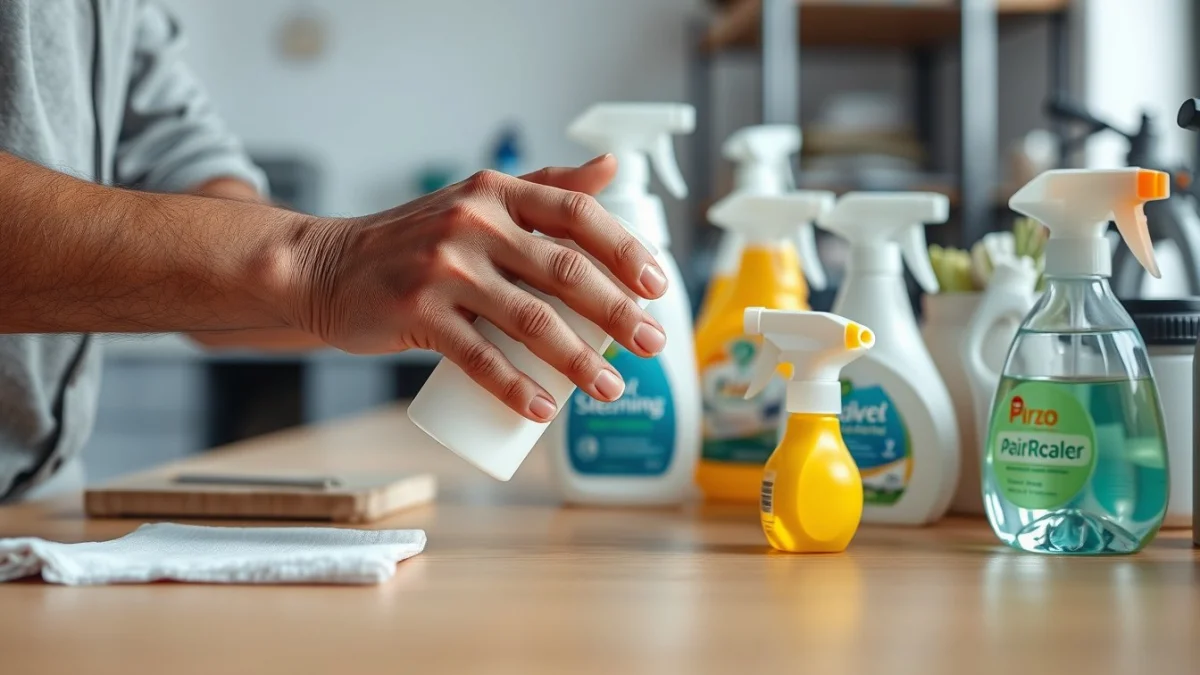
First, always read the labels on cleaning product containers. Labels give instructions on how to use the product safely. They also list warnings about dangers and what to do in case of accidents. Follow these instructions carefully every time.
When handling cleaning products, wear the right protective equipment. This usually means gloves, masks, and sometimes eye protection. Protective gear stops chemicals from touching your skin, eyes, or being breathed in. Never touch your face or mouth while using cleaning chemicals.
Do not mix different cleaning products together. Mixing can create harmful gases or dangerous reactions. For example, mixing bleach with acids like vinegar can release toxic fumes. Always use one product at a time and rinse surfaces well if changing products.
Use only the amount of cleaning product needed. Using too much does not clean better and can increase risks. Measuring liquids using the cap or a measuring cup helps avoid spills and waste.
Storing Cleaning Products Safely
- Keep cleaning products in a cool, dry place away from direct sunlight.
- Store them in their original containers with labels intact. This helps identify the product and hazards.
- Lock away cleaning supplies where children or pets cannot reach them.
- Do not store food or drinks near cleaning chemicals to avoid contamination.
- Place containers upright and close lids tightly to prevent leaks and spills.
- Separate strong chemicals like bleach from other products to avoid mixing accidents.
- Dispose of empty containers safely according to local rules.
In your daily work as a housekeeping attendant, follow these safe handling and storage steps to protect yourself and others. Always report any spills or accidents to your supervisor immediately. Proper safety keeps the workplace clean and healthy for everyone.
Live Scenario • Active Situation
You are a housekeeping attendant in a busy hotel cleaning staff room.
There is no single perfect answer. Choose what you would do in this situation.
