
Essential health and safety practices for housekeeping
Essential health and safety practices for housekeeping help protect workers and the people they serve. Housekeeping attendants face hazards like chemicals, slips, traps, and germs daily. Knowing these practices makes work safer and keeps the workplace clean and healthy.
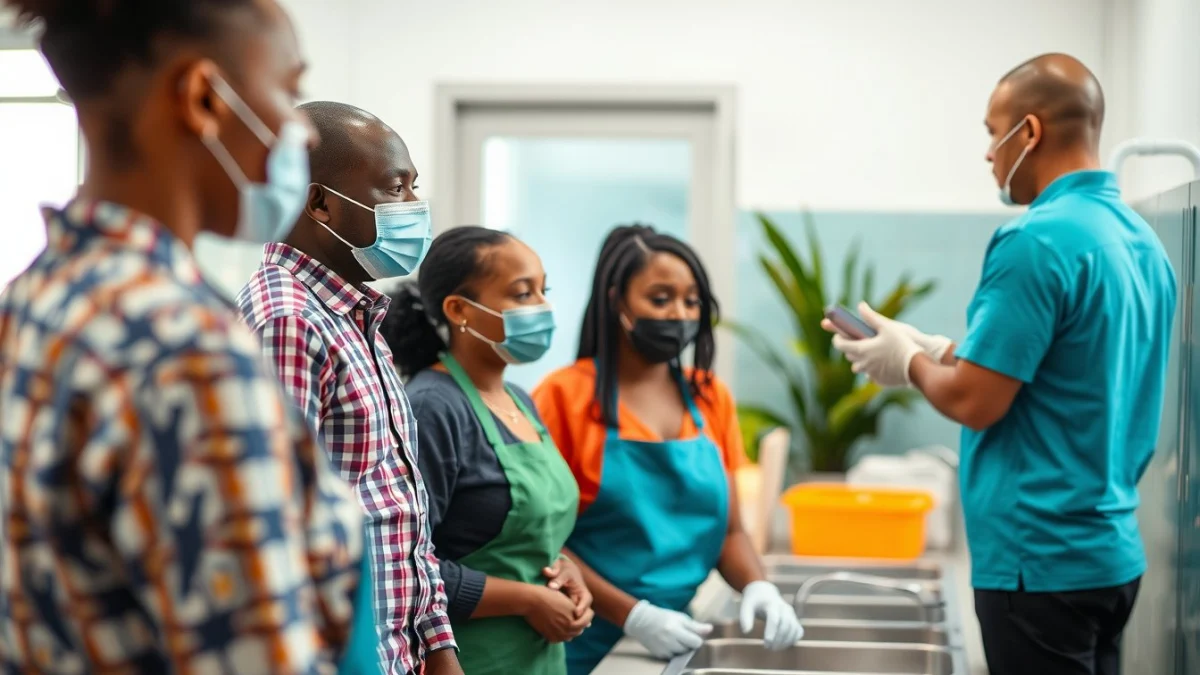
Key Health and Safety Tips for Housekeeping Work
Every housekeeping attendant should follow simple but important rules. These reduce risks of injury and illness and promote a safe working environment.
Personal Protective Equipment (PPE)
Always wear the right PPE for your task. This may include gloves to protect hands from chemicals and dirt, masks to avoid breathing in dust or fumes, and non-slip shoes to prevent falls.
Safe Use of Chemicals
Cleaning products contain chemicals that can harm your skin, eyes, or lungs. Always read the label instructions carefully. Use chemicals in well-ventilated areas and avoid mixing different products. Store chemicals safely in labelled containers, away from children and food.
Preventing Slips, Trips, and Falls
- Clean up spills immediately to stop accidents.
- Keep walkways and stairs clear of obstacles.
- Use warning signs (like wet floor signs) when needed.
- Wear shoes with good grip.
Proper Lifting and Carrying
Lift objects using your legs, not your back. Ask for help with heavy or awkward loads to avoid strains and injuries. Take breaks if lifting a lot to prevent fatigue.
Hygiene Practices
Wash your hands often, especially after cleaning toilets or handling waste. Use hand sanitizer when soap and water are not available. Keep your uniform clean and change it regularly to avoid spreading germs.
Safe Waste Disposal
Dispose of rubbish and hazardous waste according to your workplace rules. Use separate bins for recyclables and sharp objects to prevent injuries. Never handle broken glass or sharps without gloves.
Emergency Preparedness
Know the location of first aid kits, fire extinguishers, and emergency exits. Report all injuries immediately and follow first aid procedures as trained. Attend safety training sessions regularly.
Following these essential health and safety practices for housekeeping creates a safer work environment for everyone. It helps you avoid accidents, illnesses, and keeps the place clean and welcoming.
Live Scenario • Active Situation
You are a housekeeping attendant working in a busy hotel hallway.
There is no single perfect answer. Choose what you would do in this situation.
