
Managing Guest Safety and Emergency Protocols
How to Ensure Guest Safety and Handle Emergencies in Hotels
Managing guest safety and emergency protocols is essential for running a successful hotel. Guests expect to feel safe during their stay. It is the hotel staff’s duty to provide a secure environment and know how to act quickly in emergencies.
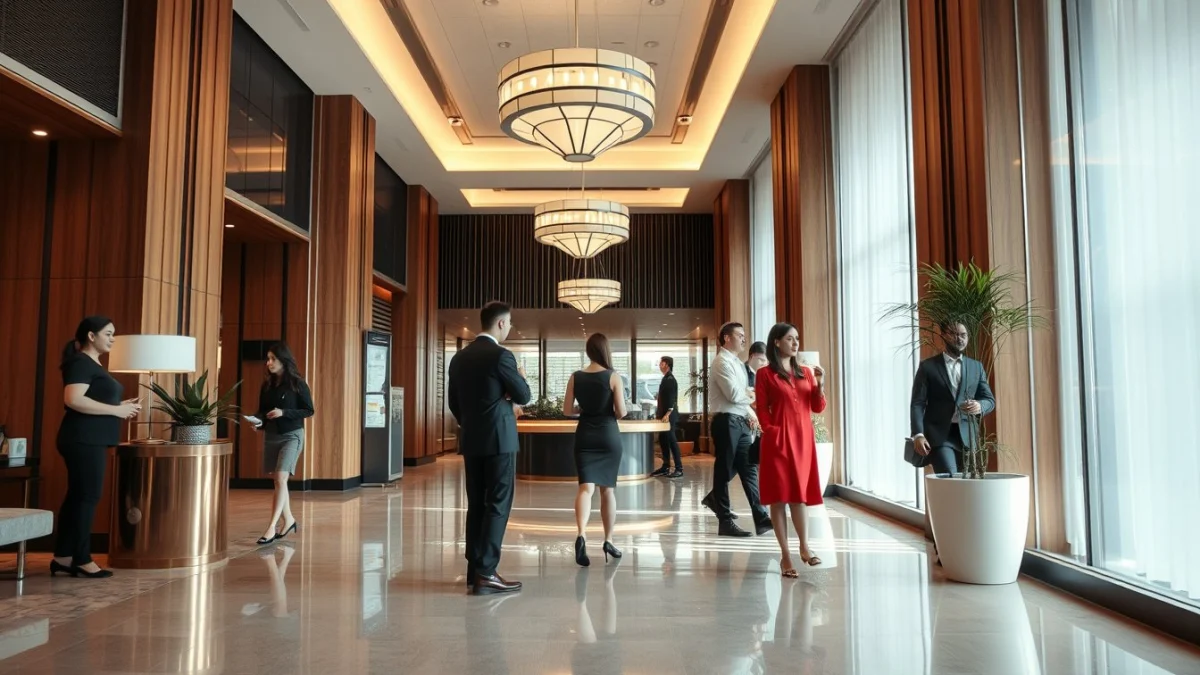
Guest safety involves preventing accidents and security issues like theft or fire. Emergency protocols are clear steps to follow when something unexpected happens, such as a fire, medical emergency, or power outage. These protocols protect guests and staff from harm.
To manage safety and emergency protocols well, hotel management and employees must be trained. Staff should understand safety rules and how to use safety equipment like fire extinguishers. Regular drills help staff practice what to do during emergencies.
Key Areas of Guest Safety Management
- Housekeeping safety – keeping walkways clear and rooms hazard-free
- Security systems – using cameras and access controls to stop unauthorized entry
- Fire prevention – installing alarms, extinguishers, and clear exit routes
- Health hygiene – maintaining clean water, food safety, and pest control
- Safe handling of chemicals and equipment in maintenance
Emergency protocols should cover the following steps:
- Alerting – Staff must quickly notify the relevant emergency services and internal team members.
- Evacuation – Guests and staff should move calmly to safe areas through marked exits.
- First aid – Trained personnel provide immediate help until medical professionals arrive.
- Communication – Keep guests informed and provide support during and after the event.
Good communication is vital during emergencies. Hotels use alarms, public address systems, and staff radios to share information fast. Staff should stay calm and help guests follow instructions confidently.
Managing guest safety also means regularly inspecting hotel facilities. Check fire extinguishers, emergency lights, smoke detectors, and locked exits. Maintenance teams work with management to fix any hazards immediately.
By managing guest safety and emergency protocols properly, hotels protect lives and property. This boosts guest confidence and the hotel’s reputation. Remember, safety is everyone’s responsibility in the hotel.
Live Scenario • Active Situation
You are the front desk supervisor at a busy hotel.
There is no single perfect answer. Choose what you would do in this situation.
