
Health and Safety Standards in Food Handling
Essential Guidelines for Safe Food Handling in Hotels
Health and Safety Standards in Food Handling are critical in the hotel industry to protect guests and staff from foodborne illnesses. Following these standards ensures that food served is safe, clean, and prepared under hygienic conditions. This builds customer trust and complies with South African food safety laws.
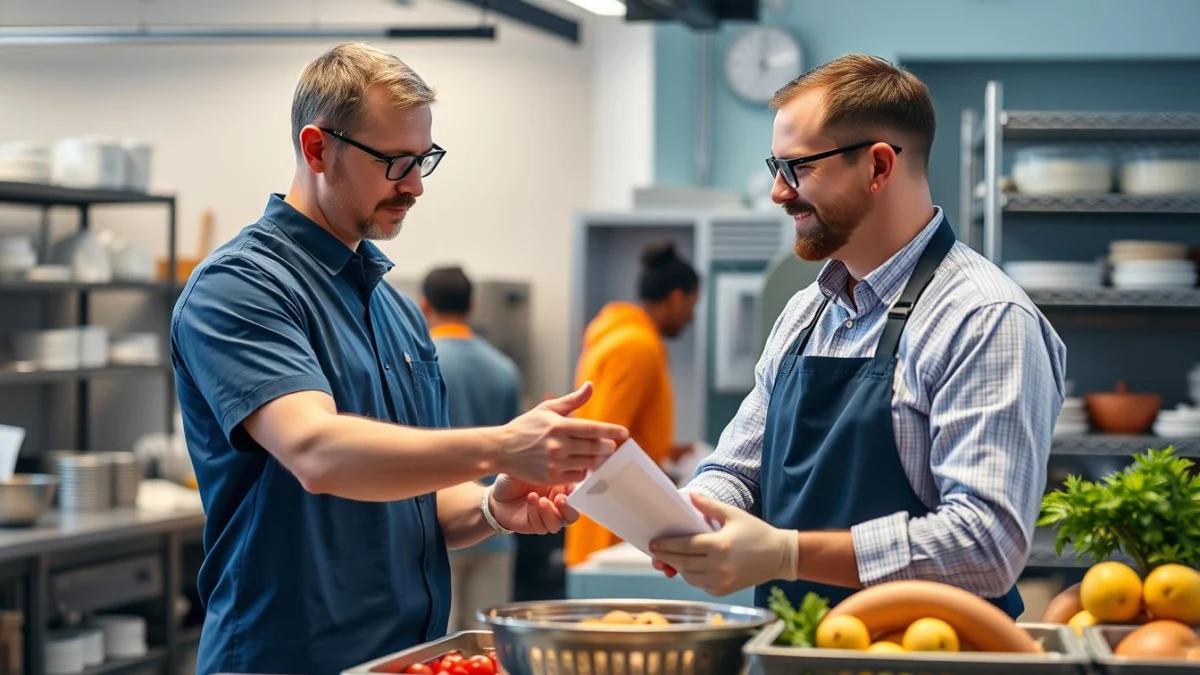
Hotels must focus on several key areas to meet health and safety requirements in food handling. These include personal hygiene, food storage, preparation, cooking, and serving procedures. Each step has specific rules to prevent contamination and keep food safe.
Key Areas of Health and Safety Standards in Food Handling
- Personal Hygiene: Staff must wash hands regularly and wear clean uniforms. Nail polish, jewellery, and strong perfumes should be avoided as they can contaminate food.
- Food Storage: Store raw and cooked foods separately to prevent cross-contamination. Keep perishables refrigerated at temperatures below 5°C and frozen goods below -18°C.
- Food Preparation: Use separate cutting boards for meat, vegetables, and ready-to-eat foods. Clean and sanitise all surfaces and utensils after each use.
- Cooking: Cook food thoroughly to the correct internal temperature to kill harmful bacteria. Use a food thermometer to check temperatures when possible.
- Serving: Serve food promptly to avoid time spent in the danger zone (5°C to 60°C), where bacteria multiply fast. Keep hot food hot (above 60°C) and cold food cold (below 5°C).
- Pest Control: Regularly inspect kitchen areas to prevent pests such as rodents and insects from contaminating food and equipment.
- Training: Staff should receive ongoing training on food safety practices and updates on legislation.
Hotels in South Africa must also comply with the Foodstuffs, Cosmetics and Disinfectants Act and local health by-laws. Health inspections check that all these standards are followed strictly. Failure to comply can lead to fines, closure, or damage to reputation.
In summary, applying Health and Safety Standards in Food Handling is vital for food safety and quality in hotels. By managing hygiene, storage, preparation, cooking, and serving carefully, hotels provide safe meals that protect customers and maintain good business.
Live Scenario • Active Situation
You are a kitchen assistant in a hotel’s food preparation area.
There is no single perfect answer. Choose what you would do in this situation.
