
Emergency procedures and protocols
Track Your Course Progress
You are currently studying as a guest. Your course progress and quiz results will not be saved unless you login to your EduCourse account. Login to track your progress and qualify for your certificate.
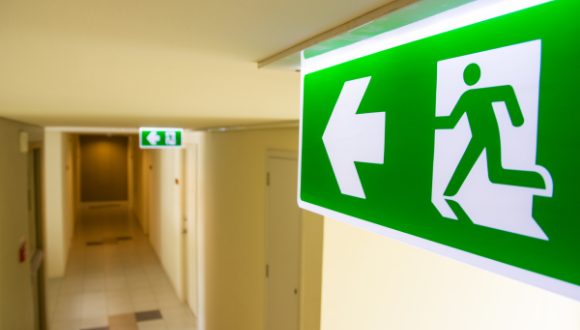
Emergency Procedures and Protocols
In case something unexpected happens while you’re cleaning, it’s crucial to know what to do. Follow these emergency procedures to stay safe:
- Stay Calm:
- Keep a cool head. Take a deep breath and assess the situation calmly.
- Keep a cool head. Take a deep breath and assess the situation calmly.
- Know Emergency Exits:
- Be aware of where emergency exits are located. Plan how you’d leave the building quickly if needed.
- Be aware of where emergency exits are located. Plan how you’d leave the building quickly if needed.
- Contact Help:
- Call for assistance if there’s an emergency. Know the emergency contact numbers and report the situation to your supervisor or emergency services.
- Call for assistance if there’s an emergency. Know the emergency contact numbers and report the situation to your supervisor or emergency services.
- Evacuate if Necessary:
- If the situation requires leaving the area, do so promptly. Follow evacuation routes and assembly points.
- If the situation requires leaving the area, do so promptly. Follow evacuation routes and assembly points.
- First Aid Basics:
- Learn basic first aid. Know how to handle minor injuries and when to call for professional medical help.
- Learn basic first aid. Know how to handle minor injuries and when to call for professional medical help.
- Fire Safety:
- Understand fire safety protocols. Use fire extinguishers if it’s safe to do so, and evacuate the building following fire evacuation procedures.
- Understand fire safety protocols. Use fire extinguishers if it’s safe to do so, and evacuate the building following fire evacuation procedures.
- Chemical Spills:
- If you’re dealing with cleaning chemicals, know how to handle spills safely. Use appropriate safety equipment and report the spill immediately.
- If you’re dealing with cleaning chemicals, know how to handle spills safely. Use appropriate safety equipment and report the spill immediately.
- Power Outages:
- In case of a power outage, have a flashlight handy. Follow protocols for securing equipment and ensuring the safety of yourself and others.
- In case of a power outage, have a flashlight handy. Follow protocols for securing equipment and ensuring the safety of yourself and others.
- Communication is Key:
- Keep communication lines open. Inform colleagues and supervisors about the situation and your location.
- Keep communication lines open. Inform colleagues and supervisors about the situation and your location.
- Practice Drills:
- Participate in emergency drills. Practice helps you respond quickly and correctly in a real emergency.
- Participate in emergency drills. Practice helps you respond quickly and correctly in a real emergency.
- Follow Established Protocols:
- Your workplace likely has specific emergency protocols. Familiarize yourself with these and follow them precisely.
- Your workplace likely has specific emergency protocols. Familiarize yourself with these and follow them precisely.
- Assist Others:
- If you can do so safely, help others who may need assistance. Work together to ensure everyone’s safety.
- If you can do so safely, help others who may need assistance. Work together to ensure everyone’s safety.
- Report Afterward:
- After the emergency is over, report what happened to your supervisor. Provide details for any necessary follow-up actions.
- After the emergency is over, report what happened to your supervisor. Provide details for any necessary follow-up actions.
- Learn From Incidents:
- If there’s an emergency, use it as a learning experience. Understand what went well and what could be improved for future preparedness.
- If there’s an emergency, use it as a learning experience. Understand what went well and what could be improved for future preparedness.
Remember, being prepared is the best way to handle emergencies. Know your workplace procedures, stay informed, and act calmly to ensure the safety of yourself and those around you.
