
Importance of cleanliness and hygiene
Track Your Course Progress
You are currently studying as a guest. Your course progress and quiz results will not be saved unless you login to your EduCourse account. Login to track your progress and qualify for your certificate.
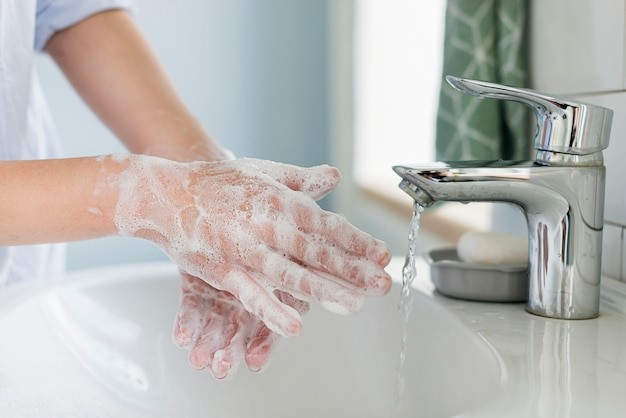
Keeping things clean and maintaining good hygiene is really important. Here’s why:
1. Good Health:
- Preventing Illness: Cleanliness and hygiene help prevent the spread of germs and diseases. Regular handwashing and keeping surroundings clean reduce the risk of getting sick.
2. Safety:
- Avoiding Accidents: A clean environment is a safer one. When things are tidy, there’s a lower chance of tripping over objects or encountering hazards.
3. Productivity:
- Better Work and Study: Clean and organized spaces contribute to better focus and productivity. Whether at work or school, a tidy environment helps people concentrate on their tasks.
4. Social Well-being:
- Positive Impressions: A clean and well-maintained appearance creates a positive impression. This applies to personal hygiene as well. People are generally more comfortable and pleasant to be around when they are clean.
5. Mental Well-being:
- Reducing Stress: Living or working in a clean space can have a positive impact on mental well-being. Clutter and mess can contribute to stress, while cleanliness promotes a sense of order and calm.
6. Preventing the Spread of Infections:
- Hygienic Practices: Good hygiene practices, such as proper disposal of waste and regular cleaning of common areas, help prevent the spread of infections within communities.
7. Preserving the Environment:
- Sustainability: Cleanliness extends beyond personal spaces. Proper waste disposal and recycling contribute to environmental sustainability, ensuring a cleaner planet for future generations.
8. Respect for Others:
- Consideration for Others: Maintaining personal hygiene shows respect for oneself and others. It contributes to a positive and considerate social environment.
9. Long-Term Health Benefits:
- Disease Prevention: Good hygiene practices, including regular bathing, dental care, and proper nutrition, contribute to long-term health and can prevent chronic diseases.
10. Promoting Well-being in Communities:
- Community Health: Clean and hygienic communities promote the health and well-being of everyone. Shared spaces like parks, public transportation, and recreational areas benefit from cleanliness.
11. Hospital and Healthcare Environments:
- Infection Control: In healthcare settings, cleanliness is critical to controlling infections. Sterile environments are essential for patient safety.
12. Food Safety:
- Preventing Contamination: In kitchens and food preparation areas, maintaining cleanliness is vital to prevent foodborne illnesses. Regular cleaning of utensils, surfaces, and hands is crucial.
13. Crisis Management:
- Handling Emergencies: During crises, such as pandemics or natural disasters, good hygiene practices become even more critical in preventing the spread of diseases.
14. Educational Environments:
- Student Well-being: Clean classrooms and facilities contribute to a positive learning environment. Students thrive in spaces that are conducive to learning and free from health hazards.
15. Community Pride:
- Aesthetic Appeal: Clean and well-maintained communities foster a sense of pride and contribute to a positive image. This, in turn, can attract businesses and residents.
In summary, cleanliness and hygiene are fundamental for individual health, safety, and the overall well-being of communities. It’s a simple yet powerful way to create a healthier, safer, and more pleasant living and working environment for everyone.
