
Receiving and checking deliveries
How to Properly Receive and Check Food Deliveries
Receiving and checking deliveries is an important step in catering to make sure that all food items are correct and safe to use. When food arrives at your kitchen or storage area, you need to carefully check the delivery before accepting it. This helps avoid problems with wrong orders, damaged food, or food that is no longer fresh.
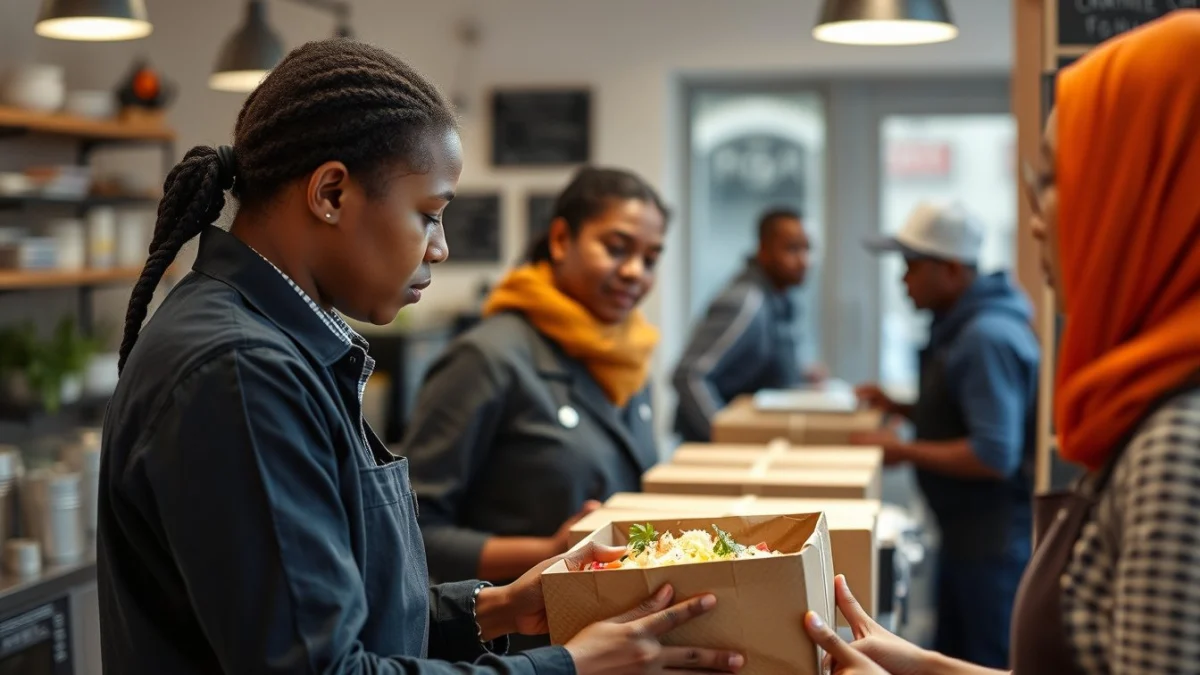
Start by comparing the items received with the delivery invoice or order list. Check that the right quantities and types of food have been delivered. If something is missing or extra, report this immediately to the supplier or delivery person.
Next, look at the packaging and condition of the food. Packages should be sealed and free from damage like holes, leaks, or tears. Frozen items should feel very cold or frozen solid, and chilled goods should be cool to the touch. Avoid accepting food that looks spoiled, has an unusual smell, or is not stored at the correct temperature.
Temperature is very important. For chilled foods like dairy, meat, or ready meals, make sure the temperature is below 5°C. Frozen foods should be at -18°C or colder. Use a clean food thermometer to check temperatures if possible.
Steps for Receiving and Checking Deliveries
- Check the delivery against your order list or invoice.
- Inspect the packaging for damage or contamination.
- Confirm the correct food type, quantity, and quality.
- Check the temperature of chilled and frozen items.
- Sign delivery documents only if everything is correct.
- Report any problems to the supplier immediately.
After checking, store the food in the correct place straight away. Perishable items go into the fridge or freezer to keep them fresh and safe. Dry goods should be stored in a clean, cool, and dry place.
Good receiving and checking of deliveries prevents food waste and reduces the risk of foodborne illnesses. Being careful with deliveries helps maintain high kitchen standards and keeps customers happy.
Live Scenario • Active Situation
You are a catering assistant responsible for receiving and checking food deliveries at your kitchen.
There is no single perfect answer. Choose what you would do in this situation.
