
Vital Sign Monitoring in a Home Setting
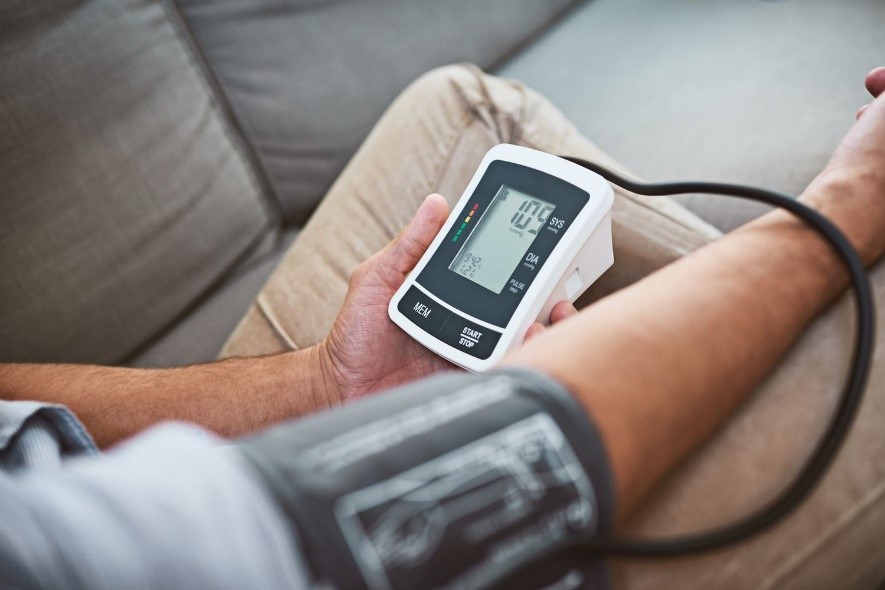
Monitoring vital signs at home is a crucial aspect of maintaining an individual’s health. This includes regularly checking various indicators to assess their overall well-being.
Blood Pressure Monitoring: One essential vital sign is blood pressure. Using a home blood pressure monitor, caregivers can track fluctuations in blood pressure over time. Regular recording of readings is important, and any notable changes should be reported to healthcare professionals promptly.
Heart Rate (Pulse) Monitoring: Monitoring the pulse is another vital aspect, especially after physical activity. Caregivers should pay attention to any irregularities or significant changes in the heart rate and communicate such findings to healthcare providers.
Respiratory Rate Monitoring: Observing breathing patterns at rest and after activity helps assess respiratory health. Any unusual breathing patterns or difficulties should be noted and reported to ensure timely intervention.
Temperature Monitoring: Using a reliable thermometer, caregivers can measure body temperature regularly. Recognizing and responding to fever or abnormal temperature readings is crucial in identifying potential health issues.
Monitoring Oxygen Saturation (SpO2): For individuals with respiratory conditions, measuring oxygen saturation using a pulse oximeter is essential. Any significant decreases in oxygen levels should be promptly reported to healthcare professionals.
Weight Monitoring: Regularly measuring and recording weight is important, especially for those with chronic conditions. Significant weight changes may indicate underlying health issues, warranting attention and further investigation.
Recording and Reporting: Keeping a log of vital sign measurements, including the date and time, provides a comprehensive overview of health trends. This information is valuable during healthcare check-ups, allowing professionals to make informed decisions based on historical data.
Education and Training: It’s crucial to ensure that caregivers and individuals receiving care are adequately trained in proper vital sign monitoring techniques. Clear instructions on when and how to report any concerning observations contribute to proactive health management.
Regular and accurate vital sign monitoring empowers caregivers to detect changes early, facilitating timely interventions and promoting the overall health and well-being of individuals in a home setting.
