
Personal Protective Equipment and Hygiene
Personal Protective Equipment and Hygiene are very important in disability support work. They help protect both the support worker and the person receiving care from infections and injuries. Understanding how to use protective gear and maintain good hygiene keeps everyone safe and healthy.
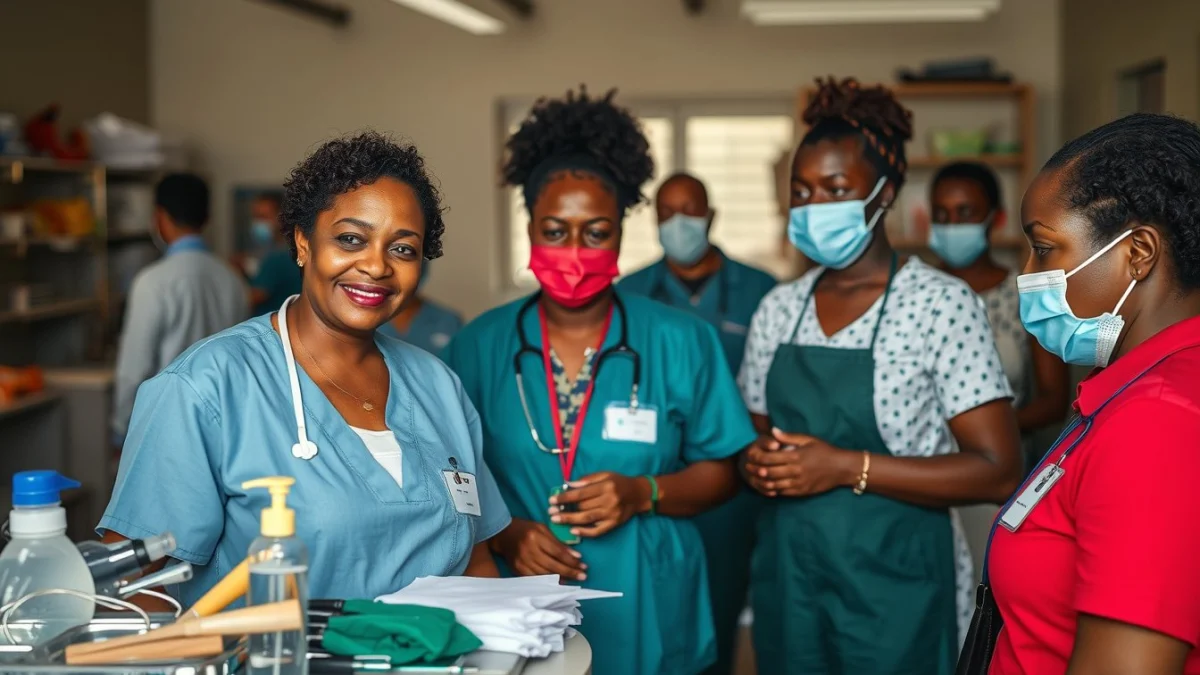
Why Personal Protective Equipment and Hygiene Matter in Disability Support
When working in disability support, you often help with daily tasks that require close contact. This could include helping with feeding, bathing, dressing, or moving a person. These activities sometimes expose you to body fluids, germs, and other health risks.
Personal Protective Equipment (PPE) is clothing or gear that protects your body from harm. Hygiene means practices you follow to stay clean and stop germs from spreading. Both PPE and good hygiene reduce the chance of sickness or infection.
Common Personal Protective Equipment in Disability Support
- Gloves: Protect your hands when touching body fluids or wounds.
- Masks: Prevent breathing in germs, especially when someone is sick.
- Aprons or Gowns: Keep your clothes clean and protect from spills.
- Eye Protection: Use goggles or face shields if there is a risk of splash.
Always use the right PPE for the task. For example, wear gloves when changing dressings or cleaning, and wear a mask if a person has a cough or cold.
Practical Hygiene Practices to Follow
- Wash your hands with soap and clean water before and after each task.
- Use hand sanitizer if soap and water are not available.
- Keep all caregiving equipment clean and disinfected.
- Dispose of used PPE correctly, in designated waste bins.
- Cover your mouth and nose when sneezing or coughing, even with a mask.
- Keep the home or care environment tidy to reduce germs.
Good hygiene is especially important when caring for someone with weak immunity or chronic illness. It helps prevent the spread of infections like colds, flu, and others.
Key Points to Remember
- Always check your PPE before use – it should be clean and undamaged.
- Put on and remove PPE carefully to avoid contamination.
- Practice hand hygiene regularly and properly.
- Dispose of waste safely to protect yourself and the community.
- Keep your environment clean; this includes bedding, floors, and surfaces.
Using Personal Protective Equipment and following good hygiene are simple steps that make a big difference in disability support work. They help to keep you safe and create a healthy, comfortable space for those you care for.
Live Scenario • Active Situation
You are a disability support worker assisting a client with daily care tasks in a community home.
There is no single perfect answer. Choose what you would do in this situation.
