
Conducting emergency drills and training
How to Carry Out Emergency Drills and Training Effectively
Conducting emergency drills and training is a key part of keeping everyone safe at work. These drills prepare employees for real emergencies, helping them know what to do without panic or confusion.
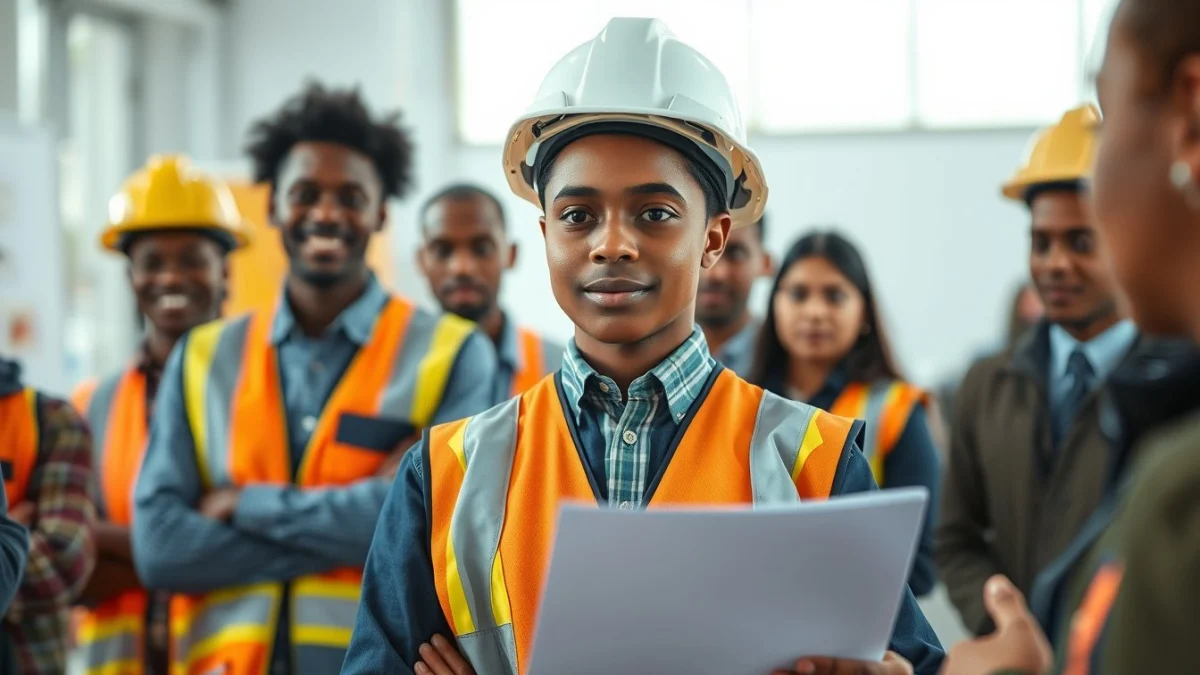
Emergency drills simulate situations like fires, spills, or evacuations so that workers can practice the correct steps. Training explains the procedures, roles, and safety measures before any drill or real event takes place.
Steps for Conducting Effective Emergency Drills and Training
- Plan the Drill: Decide the type of emergency to practice. Set clear objectives, such as testing evacuation speed or communication.
- Inform Key Staff: Notify supervisors and safety officers in advance. This helps organise the drill smoothly without causing alarm.
- Train Participants: Teach employees about risks, emergency signals, exits, and assembly points before the drill happens.
- Run the Drill: Start the simulation at a set time. Observe actions and timing without informing others to ensure realism if needed.
- Evaluate Performance: After the drill, review what worked and what didn’t. Check if everyone followed procedures correctly.
- Provide Feedback and Training: Share results with the team. Offer extra training if certain steps caused problems.
- Update Safety Plans: Change emergency procedures based on lessons learned during drills.
Regularly conducting emergency drills and training builds confidence in employees. It helps reduce injuries and saves lives by making sure everyone is ready to act quickly and safely.
In South African workplaces, emergency preparedness is a legal requirement. Following these steps supports compliance with the Occupational Health and Safety Act and ensures a safer working environment.
Remember, drills are not a one-time task. Schedule them at least twice a year or more often if your workplace has high risks. Training must be ongoing to keep safety knowledge fresh and relevant.
Emergency drills and training also improve teamwork and communication. When everyone understands their role, chaos is avoided during real emergencies.
In summary, conducting emergency drills and training is essential. It prepares people, reveals weak points in safety plans, and strengthens overall workplace safety.
Live Scenario • Active Situation
You are a Safety Compliance Officer organising emergency drills at a chemical plant.
There is no single perfect answer. Choose what you would do in this situation.
