
Relationship between life cycle and scheduling
How Project Life Cycle Affects Scheduling
The relationship between life cycle and scheduling is important for managing a project well. The project life cycle is the series of phases a project goes through from start to finish. Scheduling is the plan that shows when tasks will happen during these phases.
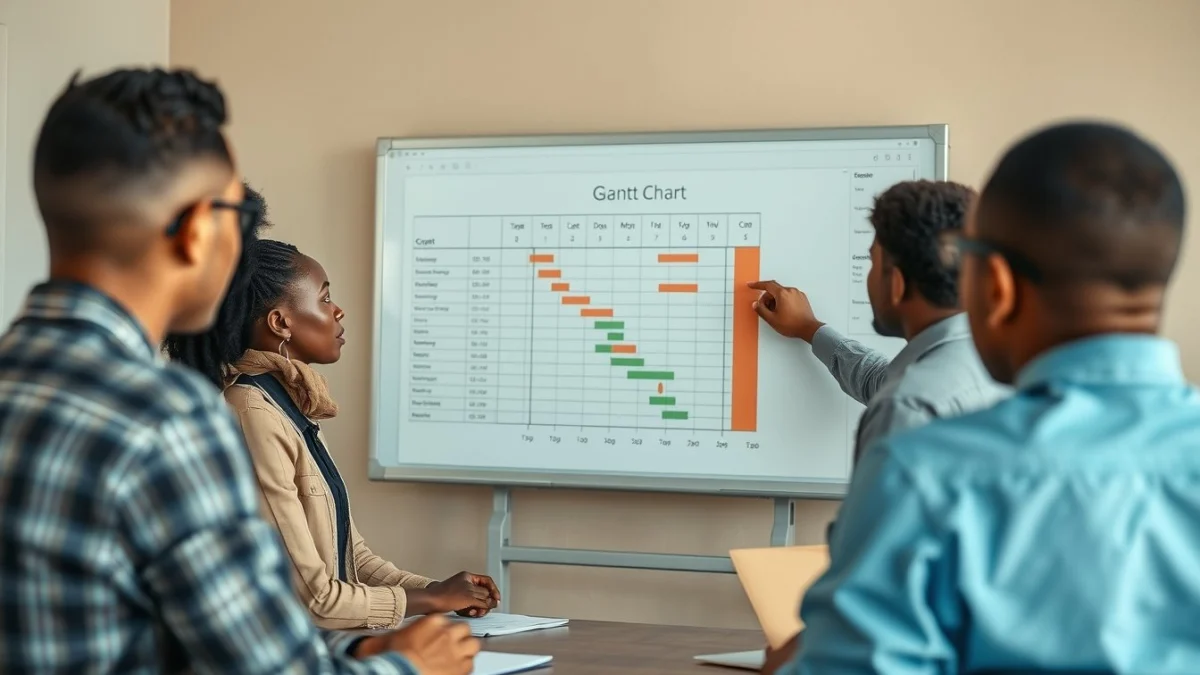
Each phase of the project life cycle has different activities, goals, and deliverables. These phases usually include initiation, planning, execution, monitoring, and closure. Scheduling breaks down the work in each phase into tasks and assigns start and end times. This helps teams know what to do and when.
Without understanding the life cycle, scheduling can be confusing because you won’t know which tasks depend on others or when to do certain work. The project life cycle gives structure, while scheduling adds timing to that structure.
Main Phases of the Project Life Cycle and Scheduling Impact
- Initiation: Define the project’s purpose and feasibility. Scheduling at this point includes setting the timeline for approval and starting the planning phase.
- Planning: Detail all tasks, resources, and deadlines. Scheduling is created here, showing how long each task will take and when it must start and finish.
- Execution: Do the work according to the schedule. The schedule guides which activities happen day-to-day.
- Monitoring and Controlling: Measure progress and adjust schedules if delays or changes occur. Good scheduling allows fast updates to the plan.
- Closure: Finalise tasks, complete reports, and review results. Scheduling ensures all closing activities finish on time.
Scheduling is not one fixed chart but grows with the project life cycle. As work progresses, schedules may change because new information comes up or some tasks take longer.
In summary, the relationship between life cycle and scheduling ensures projects are organised and completed on time. The life cycle gives the stages, and scheduling puts these into a clear, timed plan.
Live Scenario • Active Situation
You are a junior project manager at a construction company, responsible for scheduling tasks according to the project life cycle phases.
There is no single perfect answer. Choose what you would do in this situation.
