
Preventing infection through proper hygiene
Preventing infection through proper hygiene is very important in patient care. When you keep yourself and the patient clean, you stop germs from spreading. Germs cause illnesses and infections, so good hygiene helps keep everyone safer and healthier.
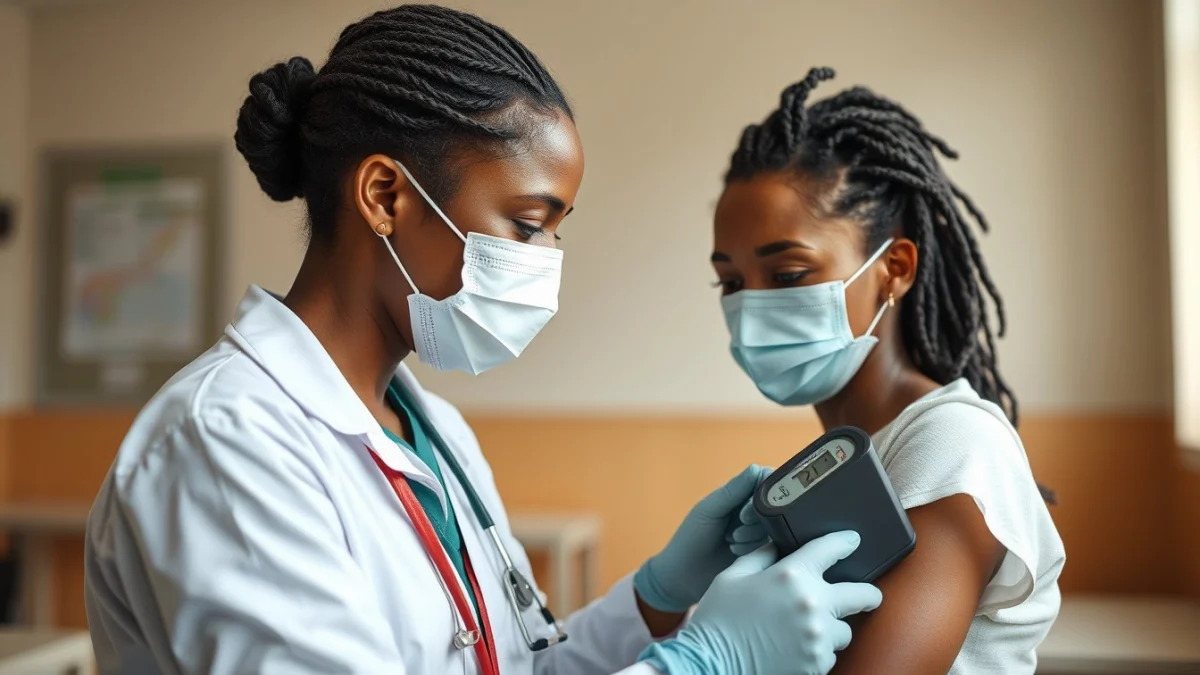
In personal care and hygiene assistance, you have a key role. You help patients who may not be able to clean themselves properly. This means you must always use the best hygiene practices to protect both the patient and yourself.
Simple Steps for Good Hygiene to Stop Germs
Good hygiene includes washing hands, cleaning the body, and using clean equipment. These steps reduce the risk of infections in healthcare settings. It is important to learn and practice these steps carefully every day.
Key Hygiene Practices:
- Wash your hands properly before and after touching the patient.
- Use soap and clean water, rubbing hands for at least 20 seconds.
- Keep the patient’s skin clean by helping them bathe regularly.
- Use clean towels, clothes, and bed linens for the patient.
- Wear gloves when you have cuts, or when handling wounds or bodily fluids.
- Dispose of soiled materials in the correct bins immediately.
- Disinfect any medical tools or surfaces that the patient touches.
- Keep the patient’s environment clean and dry to prevent germs from growing.
Hand hygiene is the most effective way to prevent infection. You must always remember to wash your hands before and after patient care. Use alcohol-based hand sanitiser if soap and water are not available, but washing with soap is best.
Personal hygiene for the patient also matters. Help patients wash their bodies, faces, teeth, and hair regularly. This removes germs and keeps their skin healthy. Check skin often for any cuts, redness, or sores that need attention.
Also, keep the patient’s nails clean and trimmed. Long or dirty nails can carry germs and cause infections. Be gentle while helping patients grooming so they stay comfortable and safe.
Using gloves protects you and the patient from infections, especially when dealing with blood or wounds. Always change gloves between patients and never reuse them. Wash your hands once you remove gloves.
Clean clothes and bedding prevent the spread of germs. Change soiled linens immediately and use clean ones daily. Wash these items in hot water and dry them well to kill germs.
Finally, always keep the patient’s room ventilated and tidy. Good air flow stops the build-up of germs and helps patients breathe easier.
By following these practical hygiene steps, you play an important role in preventing infections. Good hygiene is simple but powerful in keeping patients safe and healthy.
Live Scenario • Active Situation
You are a Patient Care Assistant helping a bedridden patient with personal hygiene in a busy hospital ward.
There is no single perfect answer. Choose what you would do in this situation.
