
Handling Hazardous Goods Safely
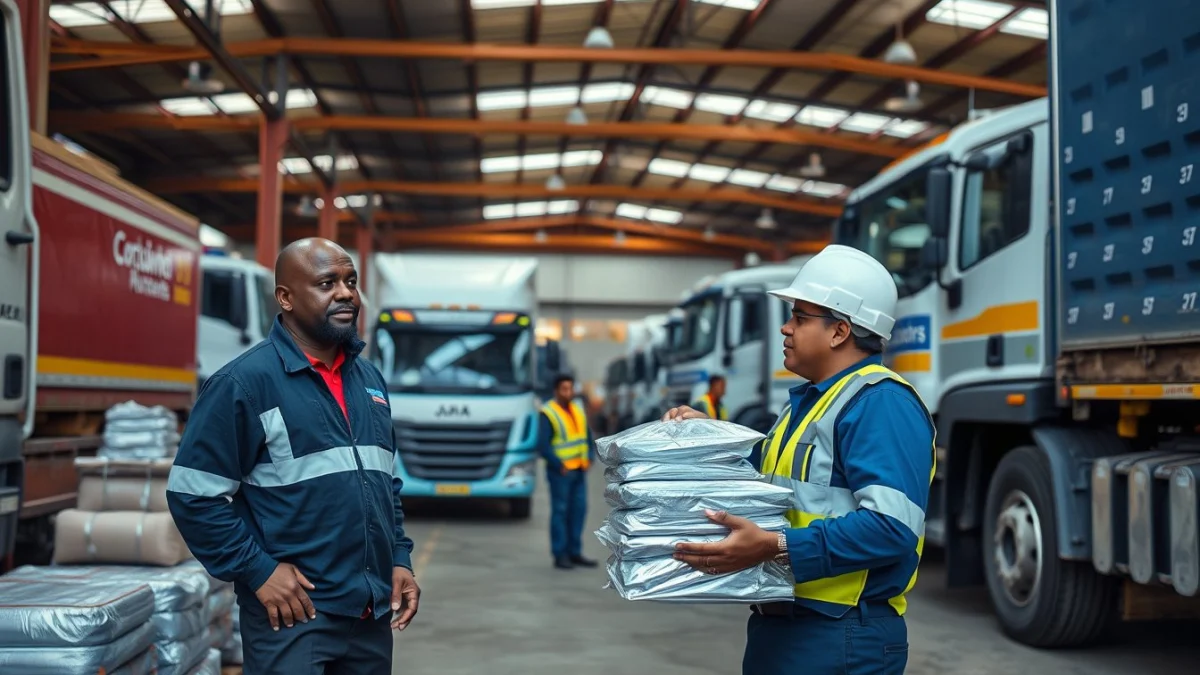
Safe Practices for Handling Hazardous Goods
Handling hazardous goods safely is essential in logistics to prevent accidents, injuries, and damage to the environment. These goods can be chemicals, flammable liquids, toxic substances, or items that react badly with others. As a Logistics Assistant, you must follow rules and use safety equipment correctly. First, always identify the hazardous goods you are dealing with. Check labels, safety data sheets (SDS), and any special instructions. This helps you understand the risks and the best way to handle the goods. Next, wear the right personal protective equipment (PPE). This may include gloves, goggles, masks, or protective clothing depending on the type of hazard. PPE reduces direct contact with dangerous materials. When moving hazardous goods, handle containers carefully. Avoid dropping, shaking, or puncturing them. Ensure containers are sealed tightly to prevent leaks or spills. Use mechanical aids like trolleys or forklifts to reduce manual lifting. Storage of hazardous goods must be done in designated areas that are well-ventilated and away from heat or open flames. Store incompatible materials separately. For example, keep acids away from bases to avoid dangerous chemical reactions. In case of spills or leaks, follow the spill response plan immediately. Use appropriate spill kits and notify your supervisor. Do not try to clean major spills without proper training. Transportation of hazardous goods requires special packaging, clear labelling, and documentation. The South African National Road Traffic Act and the Dangerous Goods Regulations set rules for moving these items safely on roads. Finally, regular training and refresher courses are important. Stay updated on safety practices, emergency procedures, and legal requirements. This helps prevent accidents and protects everyone involved in logistics.
Key Steps to Handle Hazardous Goods Safely
- Identify the goods and read safety information
- Wear suitable personal protective equipment
- Handle containers with care to avoid damage
- Store goods in correct, secure locations
- Follow spill response procedures if leaks occur
- Use proper packaging and documentation for transport
- Attend regular safety training and updates
By following these practical steps, you contribute to a safer work environment and reduce the risks connected to hazardous goods in the logistics industry.
Live Scenario • Active Situation
You are a Logistics Assistant handling incoming hazardous goods at a busy warehouse.
There is no single perfect answer. Choose what you would do in this situation.
