
Introduction to firewalls and antivirus software
How Firewalls and Antivirus Software Protect Your Network
Introduction to firewalls and antivirus software is essential for anyone learning about IT security, especially for South African learners preparing to manage network safety. These two tools are the first line of defence against cyber threats that can harm computers and networks.
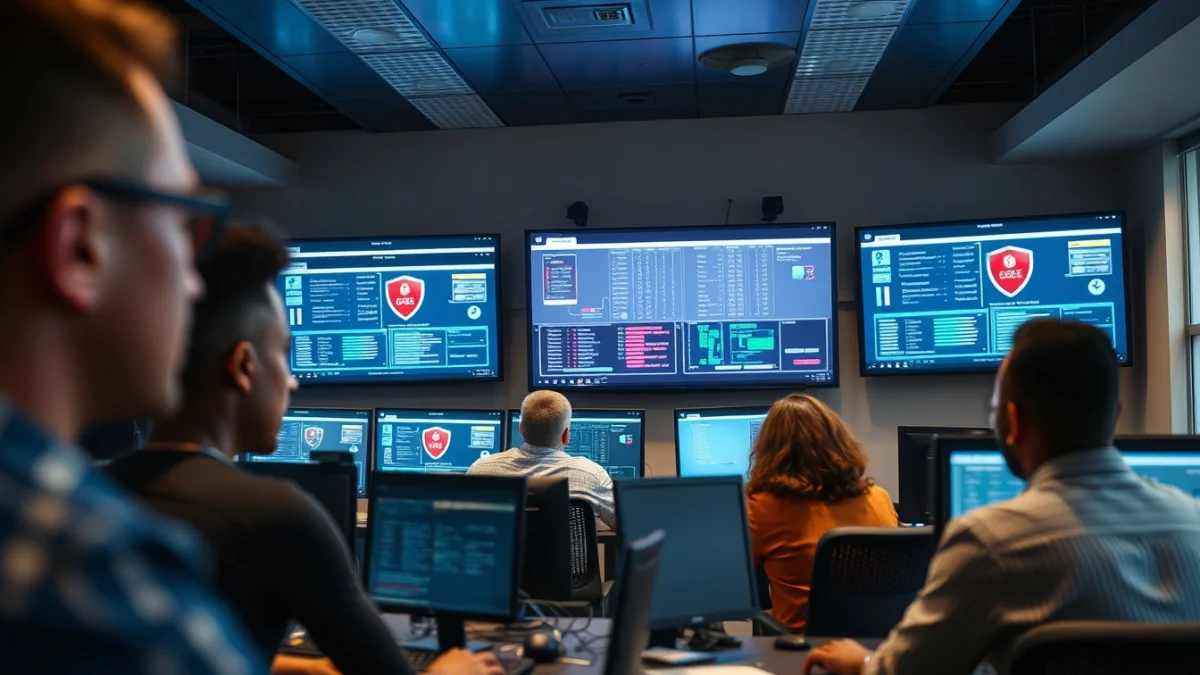
A firewall acts like a security guard at the entrance of your network. It controls what data can enter or leave. This helps to stop hackers, viruses, and other harmful traffic from getting into your system. Firewalls can be hardware-based or software-based, and sometimes both are used together for stronger protection.
Antivirus software, on the other hand, is like a detective scanning your computer for threats. It looks for viruses, malware, spyware, and other harmful programmes. Once detected, antivirus software can quarantine or delete these threats to keep your system safe. This software needs to be regularly updated to recognise new viruses and attacks.
Main Functions of Firewalls
- Blocking unauthorised access to a network
- Allowing safe traffic based on rules set by the user or admin
- Monitoring and logging incoming and outgoing data
- Protecting against hacking attempts and certain types of cyber attacks
Firewalls can be set up to allow only certain types of communication or block specific websites or applications. This control can be very useful in workplaces to stop employees from visiting risky sites that might introduce threats.
Antivirus software works against malicious programmes by detecting known threats using a database of virus signatures. It also uses behaviour detection to spot new or unknown malware by watching for suspicious actions on the system. Many antivirus programmes also offer real-time protection, scanning files as they are opened or downloaded.
Both firewalls and antivirus software must be correctly configured and regularly updated. If updates are missed, the tools might not protect against the latest threats. For example, a new type of virus or hacking method might bypass outdated security measures.
It is important to remember that firewalls and antivirus software work best when used together. Firewalls stop many attacks before they reach your computer, while antivirus software deals with threats that get inside.
For South African learners training as IT security administrators, understanding these tools helps build a strong foundation in network security. Managing firewalls and antivirus solutions is a daily task in protecting businesses, schools, and homes from cyber threats.
In summary, firewalls guard your network’s borders, controlling traffic to stop threats from entering. Antivirus software scans your system inside and removes harmful software that firewalls might miss. Both are vital parts of a complete security plan.
Live Scenario • Active Situation
You are a junior IT Security Administrator managing network safety at a busy South African company.
There is no single perfect answer. Choose what you would do in this situation.
