
Tracking employee leave and absences
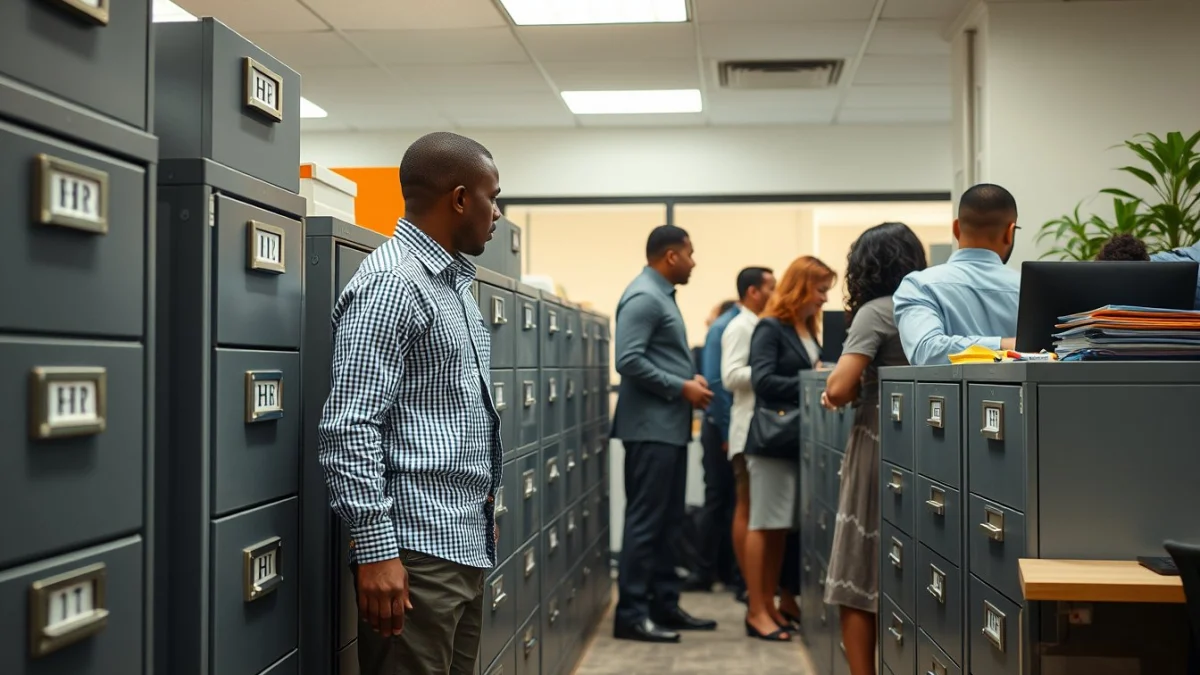
How to Track Employee Leave and Absences Effectively
Tracking employee leave and absences is an important part of managing staff in any workplace. It helps employers keep accurate records of when employees take time off and ensures that leave is given according to company rules and labour laws. For HR clerks in South Africa, understanding how to monitor leave is key to supporting payroll and maintaining fair work practices. When you track leave and absences, you record all types of time off, such as annual leave, sick leave, family responsibility leave, and unpaid leave. This record keeping helps prevent errors in payroll and avoids conflicts about leave balances or unauthorised absences. To track employee leave well, follow these simple steps:
- Know the Types of Leave – Be clear on the different leave types South African labour law allows and what your company policy says about each one.
- Record Leave Requests – When employees ask for leave, write down the date, type, and length of leave requested. Use a standard form or digital system to avoid mistakes.
- Approve or Decline Leave Promptly – Managers should give clear decisions quickly so employees can plan their time off.
- Keep an Updated Leave Register – Maintain a leave register showing how much leave each employee has taken and how much is left. This can be a spreadsheet or specialised software.
- Monitor Absences – Track unplanned absences like sick days. Make sure employees report absences on time and provide medical certificates if required.
- Communicate Regularly – Update employees on their leave balances and any changes in leave policies.
Effective tracking also supports payroll by providing accurate information on how much leave to pay out, especially when employees resign and must be paid for unused leave. Remember, good leave tracking promotes fairness, prevents abuse of leave, and helps the company plan for staff shortages. It also ensures compliance with the Basic Conditions of Employment Act (BCEA) and collective agreements. In summary, tracking employee leave and absences means keeping clear, up-to-date records of all staff leave taking. Use simple systems, follow legal rules, and communicate clearly with employees to do this well. This will support smooth payroll processing and fair treatment of all workers.
Live Scenario • Active Situation
You are an HR clerk managing employee leave and absences at a busy Johannesburg company.
There is no single perfect answer. Choose what you would do in this situation.
