
Effective Verbal Communication Techniques
How to Improve Your Speaking Skills as a Hotel Receptionist
Effective verbal communication techniques are essential for hotel receptionists. You use your voice every day to welcome guests, answer questions, and solve problems. Clear and polite speaking helps create a great first impression and makes guests feel valued.
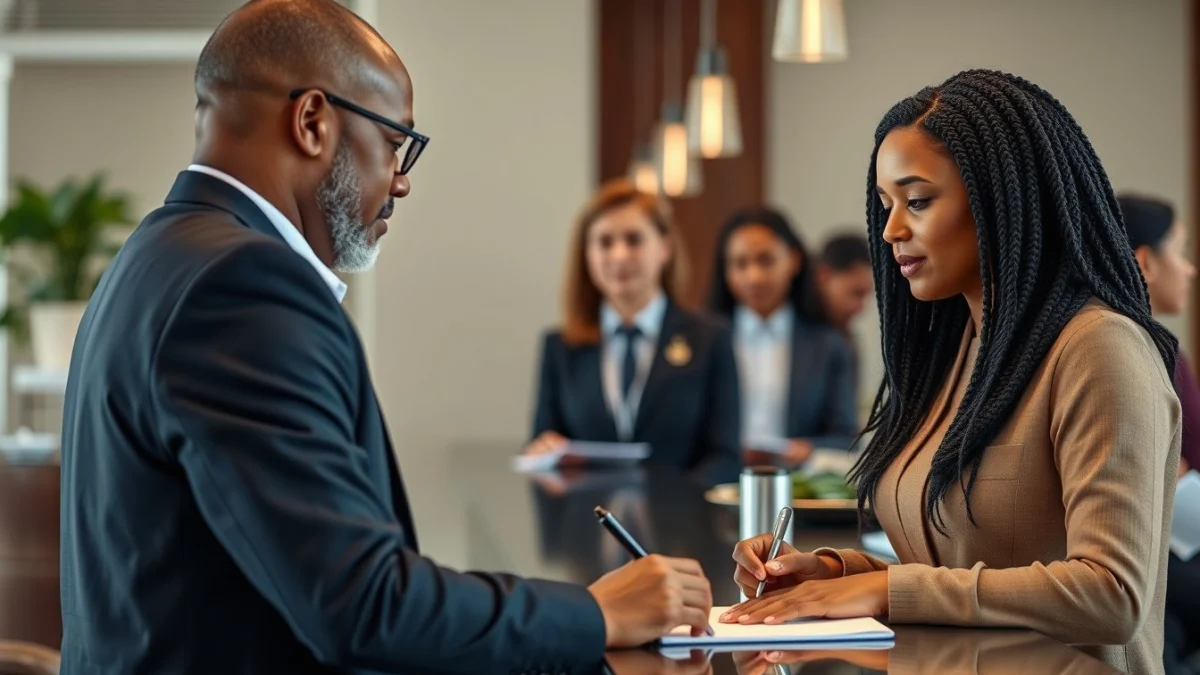
To communicate well, speak slowly and clearly. Don’t rush your words. This helps guests understand you, especially if English is not their first language.
Use a friendly tone. Smile when you talk, even if the guest cannot see you. A warm voice makes people feel comfortable and welcome.
Always listen carefully before you respond. Let the guest finish speaking, then repeat important details to show you understand. This avoids mistakes and shows respect.
Use simple words and short sentences. Avoid slang or complicated words. This makes your message easier to follow.
Key Tips for Verbal Communication
- Speak Clearly: Use a steady pace and proper pronunciation.
- Be Polite and Courteous: Always use phrases like “please,” “thank you,” and “you’re welcome.”
- Listen Actively: Nod or say brief responses like “I see” to show you are paying attention.
- Ask Questions: If you don’t understand, politely ask the guest to clarify.
- Stay Calm: Keep a calm voice, even if the guest sounds upset.
- Use Positive Language: Focus on solutions and what you can do rather than problems.
- Check Understanding: Summarise what the guest says to confirm you have it right.
- Be Approachable: Use a tone that invites guests to ask questions or share concerns.
Remember, your role as a hotel receptionist is to help guests have a smooth stay. Using effective verbal communication techniques improves guest satisfaction and reduces misunderstandings. Practise these skills daily to build confidence. Good communication also helps you work better with your team, making the whole hotel run more smoothly.
In summary, clear speech, polite manners, active listening, and positive words make you a great communicator. Always keep the guest’s needs in mind, and your communication will help create welcoming and professional service at your hotel.
Live Scenario • Active Situation
You are a hotel receptionist managing guest check-ins at a busy front desk.
There is no single perfect answer. Choose what you would do in this situation.
