
Introduction to Ads – Basics of paid advertising
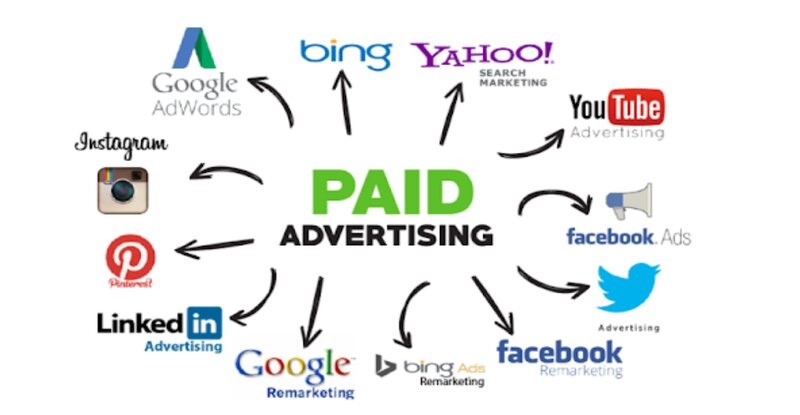
Paid advertising is a powerful strategy to promote your products or services to a targeted audience and drive desired actions. Understanding the basics of paid advertising is essential for creating effective campaigns. Here’s a breakdown of the fundamental concepts:
1. Definition of Paid Advertising:
- Paid advertising involves paying a fee to display your promotional content, known as ads, on various online platforms. This can include search engines, social media, websites, and other digital channels.
2. Types of Paid Advertising:
- There are various types of paid advertising, each catering to specific goals and platforms. Common types include:
- Search Engine Advertising (e.g., Google Ads)
- Social Media Advertising (e.g., Facebook Ads, Instagram Ads)
- Display Advertising (banner ads on websites)
- Video Advertising (promotional videos on platforms like YouTube)
- Influencer Marketing (partnering with influencers to promote products)
3. Key Components of Paid Ads:
- Understanding the key elements of an ad is crucial:
- Ad Copy: The text and messaging in your ad.
- Visuals: Images, videos, or graphics used to convey the message.
- Call-to-Action (CTA): Encourages the audience to take a specific action.
- Targeting: Selecting the audience based on demographics, interests, and behavior.
- Bid: The amount you’re willing to pay for ad placement or interaction.
4. PPC (Pay-Per-Click) Advertising:
- In many paid advertising models, advertisers pay a fee each time a user clicks on their ad. This is known as PPC advertising. It’s a cost-effective model as you only pay when there’s engagement.
5. Ad Budgeting:
- Setting a realistic ad budget is crucial. Determine how much you’re willing to spend daily or over a campaign period. Budget allocation should consider the cost per click (CPC) or cost per impression (CPM).
6. Ad Placement:
- Choose where your ads will appear. This could be in search engine results, social media feeds, websites, or other online spaces. Strategic placement enhances visibility.
7. Ad Tracking and Analytics:
- Use tracking tools and analytics to measure the performance of your ads. Metrics like click-through rate (CTR), conversion rate, and return on ad spend (ROAS) provide insights into effectiveness.
8. Ad Testing:
- Conduct A/B testing to experiment with different ad elements. Test variations of ad copy, visuals, and CTAs to identify what resonates best with your audience.
9. Ad Compliance and Policies:
- Adhere to the guidelines and policies of the advertising platforms. Failure to comply may result in ad rejection or account suspension.
10. Remarketing:
- Implement remarketing strategies to target users who have previously interacted with your website or ads. This can help re-engage potential customers.
Conclusion: Paid advertising is a dynamic and results-driven approach to reach your target audience. Mastering the basics, from ad creation to budgeting and analysis, empowers you to create compelling campaigns that drive business outcomes.
