
Customer segmentation
Track Your Course Progress
You are currently studying as a guest. Your course progress and quiz results will not be saved unless you login to your EduCourse account. Login to track your progress and qualify for your certificate.
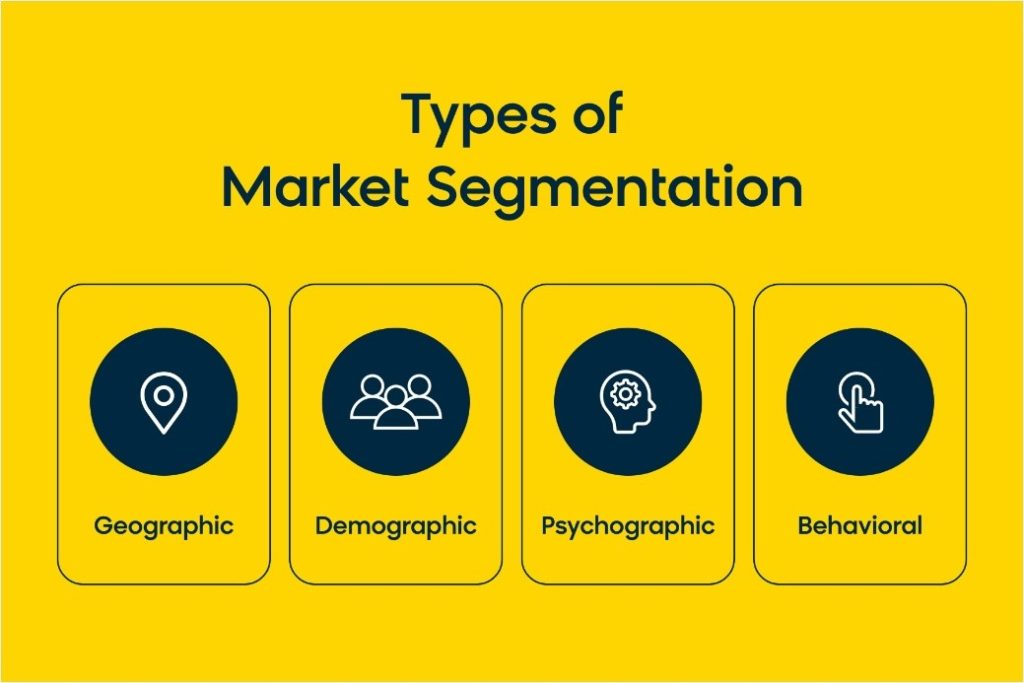
Customer segmentation is the practice of dividing a customer base into distinct groups based on specific characteristics or behaviors. This strategy allows businesses to better understand and target different customer segments with tailored marketing, products, and services. Here’s an overview of the concept:
- Demographic Segmentation:
- Definition: Segmentation based on demographic factors such as age, gender, income, education, marital status, and occupation.
- Example: A clothing retailer may target different age groups with age-appropriate styles.
- Geographic Segmentation:
- Definition: Dividing customers based on their geographic location, such as region, city, or climate.
- Example: A beverage company may adjust its product offerings based on regional preferences or climate variations.
- Psychographic Segmentation:
- Definition: Segmenting customers based on lifestyle, interests, attitudes, and values.
- Example: A fitness brand might target health-conscious individuals with a particular lifestyle.
- Behavioral Segmentation:
- Definition: Dividing customers based on their behavior, including purchasing patterns, brand loyalty, product usage, or responses to marketing stimuli.
- Example: An e-commerce platform may target customers who frequently make online purchases.
- Technographic Segmentation:
- Definition: Segmenting customers based on their use of technology, such as preferred devices, software, or online platforms.
- Example: A software company may tailor its marketing to users of specific operating systems.
- Occasion-Based Segmentation:
- Definition: Segmenting customers based on occasions or events, such as holidays, seasons, or life events.
- Example: A gift retailer may create special promotions for holidays or occasions like birthdays.
- Usage-Based Segmentation:
- Definition: Dividing customers based on their usage patterns or frequency of product/service consumption.
- Example: A telecom company may offer different plans for light users and heavy data users.
- Customer Lifecycle Segmentation:
- Definition: Segmenting customers based on where they are in the customer lifecycle, such as new customers, loyal customers, or those at risk of churn.
- Example: A subscription service may provide special offers to retain long-term subscribers.
- Value-Based Segmentation:
- Definition: Segmenting customers based on their economic value to the business, considering factors like spending habits and lifetime value.
- Example: A luxury brand may offer exclusive perks to high-spending customers.
- B2B Segmentation:
- Definition: For business-to-business markets, segmentation based on company size, industry, or purchasing behavior.
- Example: A software provider may target small businesses with a simplified version and enterprise clients with advanced features.
By employing customer segmentation, businesses can create more targeted and personalized marketing campaigns, improve customer satisfaction, and optimize resource allocation based on the unique needs and preferences of different customer groups.
