
Environmental considerations on site
Key Environmental Considerations on Construction Sites
Environmental considerations on site are essential in construction project management to protect natural resources and reduce negative impacts. Construction activities can affect the environment through waste, pollution, noise, and disturbance to ecosystems. Understanding these factors helps site managers and workers maintain legal compliance and promote sustainability.
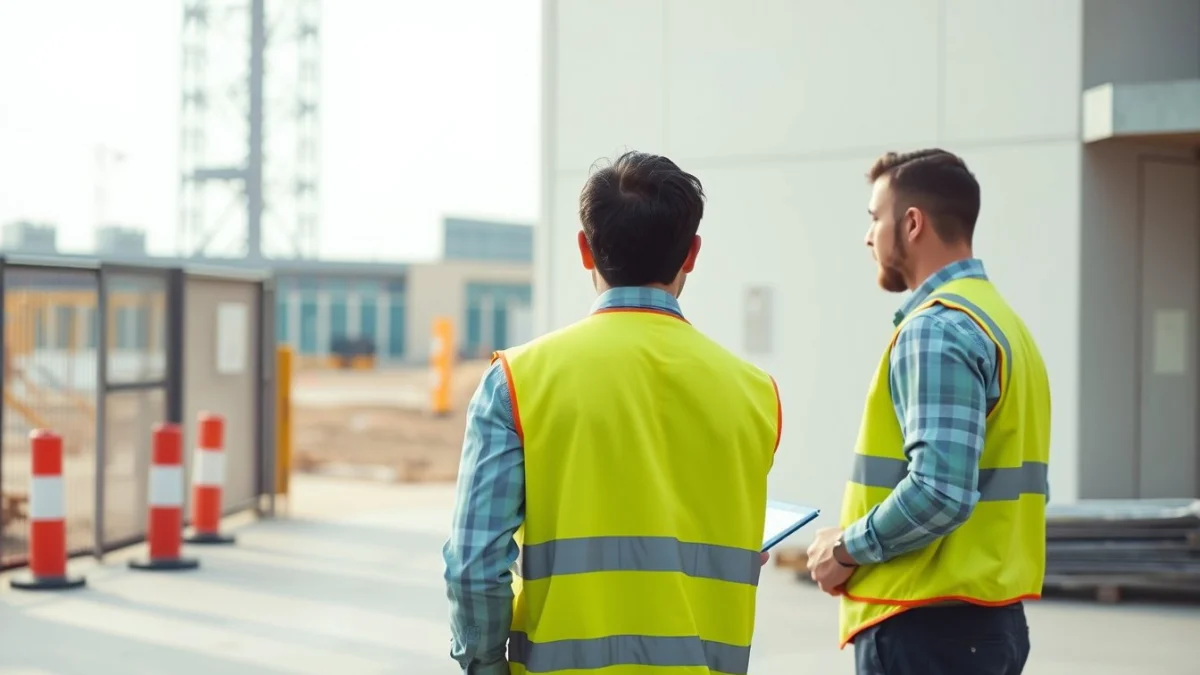
One major concern is managing construction waste. Proper waste disposal prevents pollution and keeps the site clean. Segregate materials like concrete, metals, and plastics for recycling. Avoid dumping waste in natural areas, as this harms plants and animals.
Another important point is controlling dust and air pollution. Dust clouds from earthworks or materials can affect nearby residents and workers’ health. Use water sprays or dust screens to reduce dust. Minimise the use of equipment that produces harmful emissions by regular maintenance.
Water management is also crucial on site. Construction can pollute water sources through runoff containing soil, chemicals, or oils. Use sediment control measures such as silt fences or sediment ponds to stop dirty water from leaving the site. Store chemicals properly to prevent leaks.
Noise pollution can disturb communities and wildlife. Limit noisy activities to daytime hours. Use quieter machines or noise barriers where possible. Inform neighbours if work will be loud.
Protecting soil and vegetation is important to maintain site stability and natural habitats. Avoid unnecessary clearing of plants. Use fences or markers to keep workers away from sensitive areas.
Practical Steps for Environmental Management on Site
- Plan site layout to reduce environmental risks
- Train workers on environmental policies and best practices
- Regularly monitor environmental impacts during construction
- Have a clear waste management and recycling plan
- Manage water runoff and prevent pollution
- Control noise and emissions from machinery
- Protect natural habitats and vegetation around the site
Following these environmental considerations on site supports sustainable construction and helps projects run smoothly with fewer delays or penalties. It also builds trust with communities and regulators by showing commitment to responsible building practices.
Live Scenario • Active Situation
You are the site supervisor managing environmental safety on a busy construction site.
There is no single perfect answer. Choose what you would do in this situation.
