
Traditional procurement method explained
How the Traditional Procurement Method Works in Construction
Traditional procurement method explained: This is one of the oldest and most common ways to manage construction projects in South Africa. It follows a clear, step-by-step process where the design and construction phases are separate. This method is also called “design-bid-build.”
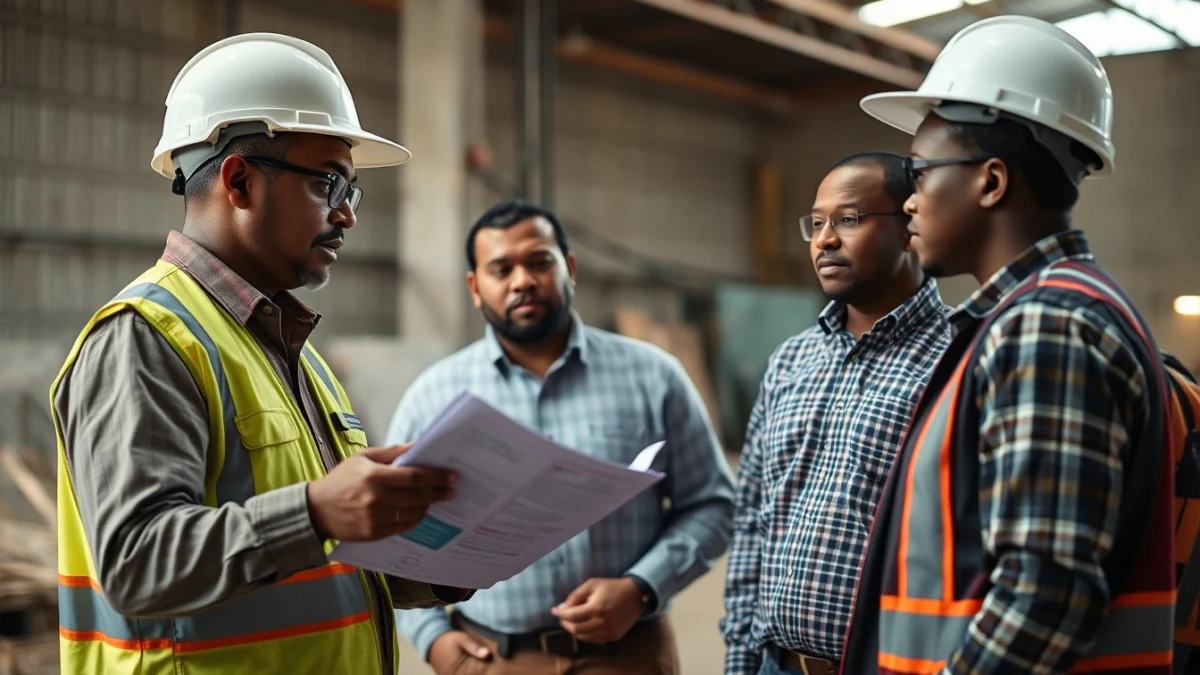
In this approach, the client first hires a professional design team, such as architects and engineers, to prepare the full design and specifications of the project. Once the design is complete, the client invites builders to submit their tenders (bids) based on the detailed drawings and documents.
The tenders are usually competitive, and the client picks the contractor offering the best balance of price, experience, and ability to deliver on time. Only after selecting a contractor does the actual construction start.
Main Steps in the Traditional Procurement Process
- Design Phase: Architect and consultants prepare full detailed plans.
- Tender Phase: Builders receive tender documents and submit their prices.
- Evaluation and Award: Client evaluates tenders, then appoints contractor.
- Construction Phase: Contractor builds according to design and contract.
- Completion and Handover: Final inspections, fixing defects, and handing over the building.
This clear division between design and construction gives clients full control over the design. It also means greater certainty about what they will get before choosing a contractor. The client receives a fixed price for the complete building based on the final design.
However, since design must be complete before starting tender, project delivery can be slower. Changes during construction are more difficult and costly because contracts are based on fixed designs and prices.
The traditional procurement method is best when the project requirements are clear and unlikely to change. It suits clients who want detailed design control and competitive tendering to get the best price. This method is often used in public sector projects in South Africa due to its fairness and transparency.
In summary, the traditional procurement method explained means:
- Design is done by consultants first, then contractors bid.
- The client manages design and contract stages separately.
- Price is fixed before construction begins.
- It is clear and straightforward but can be slower than other methods.
Understanding this method helps learners and clients choose the best procurement route for their construction projects, balancing cost, time, and control.
Live Scenario • Active Situation
You are the project manager overseeing a new construction project using the traditional procurement method.
There is no single perfect answer. Choose what you would do in this situation.
